Millennial dads are revolutionizing parenting by challenging outdated norms and embracing shared responsibilities. The days of fathers being mere providers while mothers handled the bulk of caregiving are fading into history. Today’s dads are stepping up in ways their own fathers might not have imagined—taking on everything from late-night feedings to supervising homework.
This partnership approach isn’t just a private matter; it’s reshaping societal expectations. Fathers are no longer seen as helpers in parenting but as equal partners, actively sharing the load. This shift doesn’t just ease the burden on mothers; it strengthens the father-child relationship, creating a more balanced and emotionally healthy family dynamic.
Breaking Gender Role Stereotypes
By diving headfirst into hands-on parenting, millennial dads are challenging traditional notions of masculinity. They’re proving that being a great dad is about far more than financial support; it’s about being an engaged, nurturing presence in their children’s lives. This evolution in fatherhood redefines strength as vulnerability, compassion, and emotional connection.
Public figures like Dwayne “The Rock” Johnson and John Legend have played a key role in this cultural shift. By sharing their parenting experiences on social media, they’ve sparked conversations about modern fatherhood and helped break down stereotypes. Their openness inspires other dads to embrace this new model of parenting, proving that being a hands-on father is not only normal but deeply rewarding.
Balancing Work and Family: The Key to Active Fatherhood
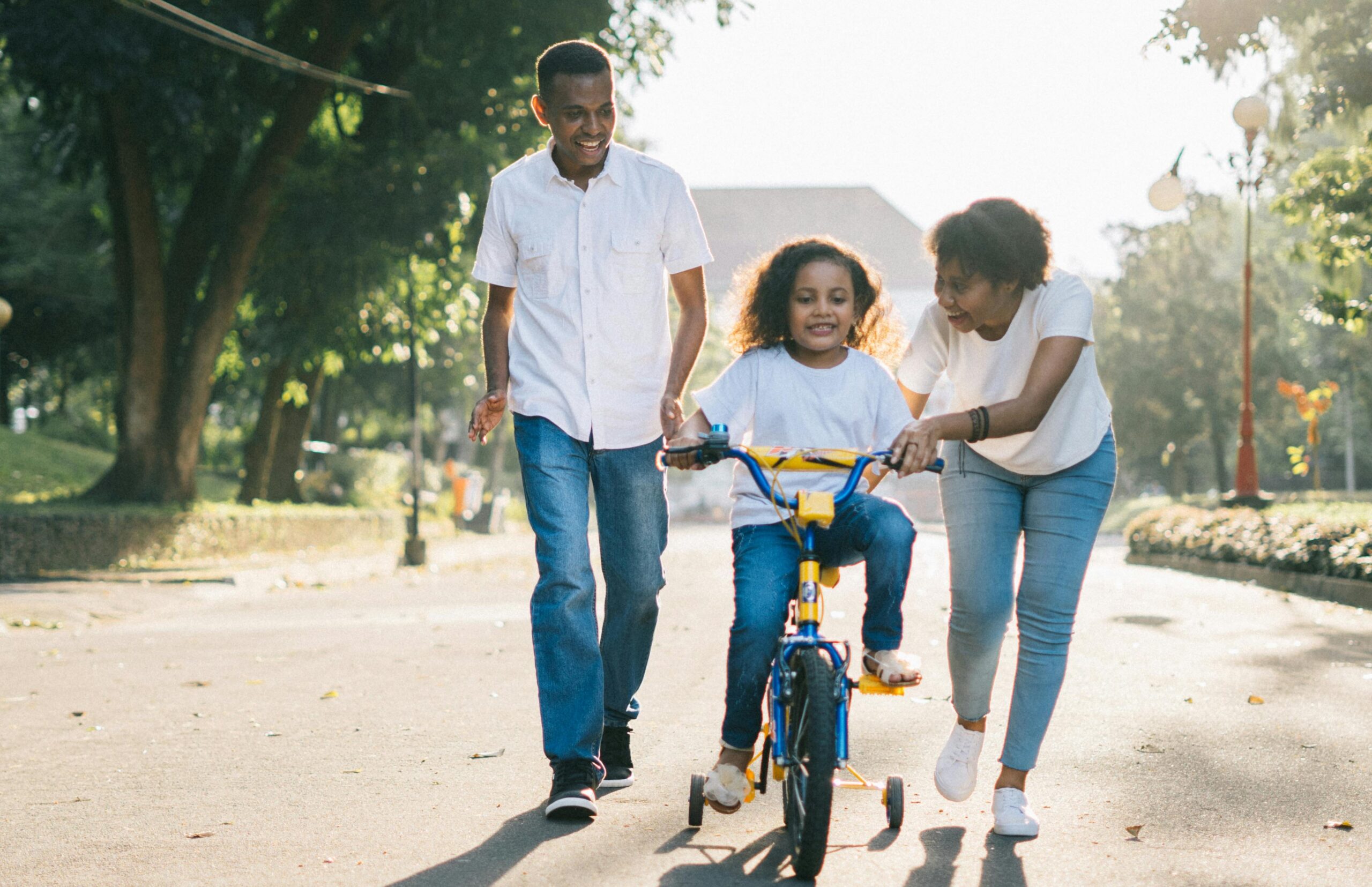
Millennial dads are proving that being present isn’t just about showing up—it’s about meaningful engagement. From handling nighttime feedings to managing school drop-offs and planning weekend adventures, their involvement is redefining the quality of parenting. This deeper commitment to hands-on fatherhood is not a fleeting trend but a transformative shift that enriches children’s lives and strengthens family bonds.
The rise of remote work and flexible schedules has played a pivotal role in enabling this shift. In 2023, data from the U.S. Census Bureau revealed that 12.5% of employees worked remotely, more than doubling from 5.7% in 2019. This flexibility gives fathers the opportunity to participate in day-to-day caregiving, whether it’s attending school events, handling bedtime routines, or simply being there when it matters most.
However, this opportunity isn’t universal. Many fathers still grapple with rigid work demands that limit their ability to balance parenting and professional responsibilities. While millennial dads prioritize creating a healthier work-life balance, achieving this on a larger scale requires systemic changes in workplace culture to support all fathers in their parenting journeys.
 Image source: Pexels
The Benefits of Active Fatherhood
The rise of Millennial dads prioritizing time with their children isn’t just a heartwarming trend—it’s creating ripple effects that benefit everyone involved. Studies consistently show that when fathers are actively involved in their children’s lives, the emotional, social, and cognitive development of those children improves significantly. Kids with engaged dads are more likely to excel academically, build stronger relationships, and develop higher self-esteem.
Beyond the children, the effects of active fatherhood extend to the family as a whole. When dads step into nurturing roles, they help foster a sense of balance and partnership within the household. This shared responsibility not only alleviates pressure on mothers but also strengthens the marital bond, creating a healthier environment for everyone. Millennial dads are proving that love and care are actions, not just sentiments, and their hands-on involvement lays a foundation for stronger families.
Experts also highlight the emotional rewards for the fathers themselves. Engaged dads report deeper relationships with their children and a greater sense of purpose in their lives. Fatherhood is no longer viewed as a secondary role but as a central part of their identity. By breaking down outdated stereotypes and embracing emotional connection, Millennial dads are shaping not just their children’s futures, but their own as well. This new model of fatherhood is a win for all generations—one that nurtures growth, love, and resilience.
The Challenges of Modern Fatherhood
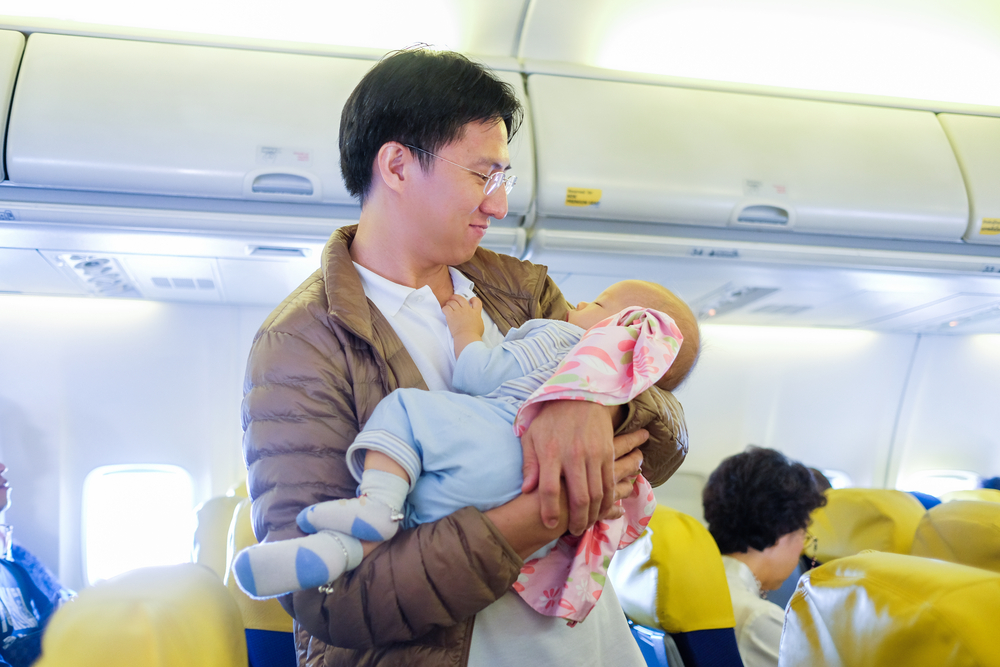 Image source: Shutterstock
While millennial dads are redefining what it means to be a father, their journey is not without significant challenges. Balancing work, family, and societal expectations often feels like a delicate act. Although remote work and flexible schedules have provided opportunities for some, many fathers are left behind in workplaces that lack robust parental leave policies or a supportive culture for active fatherhood. For these dads, the struggle to prioritize family without risking career progression remains a daunting reality.
Even as society evolves, traditional gender roles still cast a long shadow. Fathers who prioritize caregiving often face subtle biases or criticism, with their involvement frequently labeled as “helping out” rather than being an equal partner in parenting. These outdated perceptions can weigh heavily, leaving some dads grappling with guilt or a sense of inadequacy as they strive to meet both societal expectations and their children’s needs.
The Risk of Burnout
The drive to be an engaged, hands-on parent—while commendable—can also lead to exhaustion. Millennial dads often find themselves stretched thin, juggling the demands of modern parenting alongside professional and personal responsibilities. The emotional labor involved can take a toll on mental health, amplifying the pressure to excel in all areas.
Yet, many fathers are meeting these challenges head-on, drawing strength from their families, support networks, and the growing momentum for workplace and cultural change. Their resilience underscores their dedication, proving that the obstacles they face are worth overcoming for the sake of their children and the future of fatherhood.
Fatherhood, Redefined
Millennial dads are not just parenting differently; they are transforming the very essence of what it means to be a father. By devoting more time and emotional energy to their children, they are breaking free from outdated stereotypes and building stronger, more connected families. This new generation of dads has shown that fatherhood is not about sacrifice but about presence, intention, and love.
Their commitment to active parenting is reshaping family dynamics and inspiring a cultural shift that values caregiving as much as it does providing. These fathers are not only enriching the lives of their children but are also setting a powerful example for future generations, proving that the most enduring legacies are built not on what we give but on how we show up.
As we reflect on this evolution, it’s clear that Millennial dads have ushered in a new era of fatherhood—one defined by compassion, equality, and active engagement. They remind us that the best way to shape the future is to be fully present today. This redefinition of fatherhood is a call to action for all of us to support, celebrate, and continue building a world where every father has the opportunity to be the dad they aspire to be.
Featured image from: Shutterstock