Key facts: Prequalification of health products
- Globally, 70% of countries have inadequate or weak regulatory systems to effectively oversee medicines and vaccines. The situation is even more concerning for other health products, such as diagnostic tests and other medical devices.
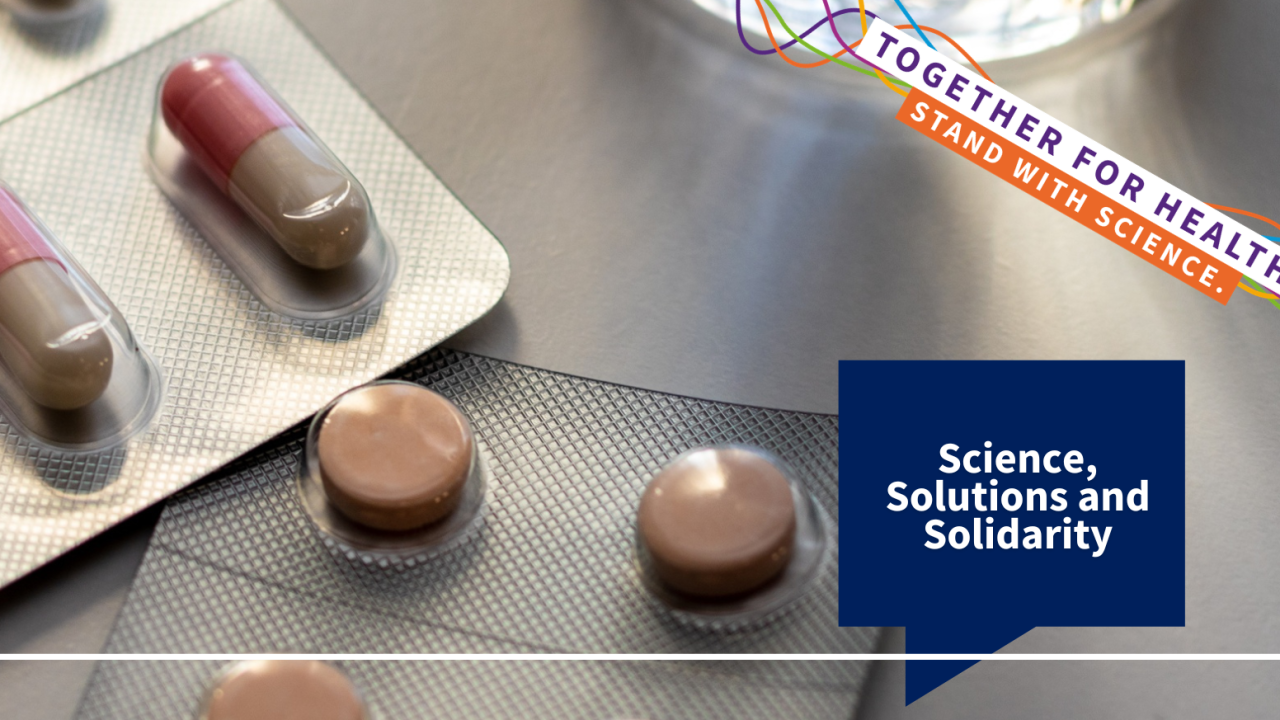
- WHO’s prequalification programme ensures that key health products for international procurement meet global standards of quality, safety, efficacy and performance.
- The prequalification programme started at WHO in 1987. As of end of 2025, more than 1700 health products are listed by WHO.
- The programme covers a wide range of health products, including medicines, vaccines, immunization devices and cold chain equipment, medical devices including in vitro diagnostics, vector control products, and snake antivenoms. Not every product is eligible for prequalification.
- Each year, a growing number of people in low- and middle-income countries have access to safer, quality-assured health products thanks to the WHO prequalification programme.
- Although WHO is not a regulatory authority, its prequalification programme has been recognized as a trusted benchmark for safety, quality and efficacy/performance
Getting medicines, vaccines and devices to every community — when it matters most.
https://www.linkedin.com/embeds/publishingEmbed.html?articleId=7666619469788053748&li_theme=light
After three years of conflict, Sudan faces a deeper health crisis
After three years of war, Sudan now accounts for the world’s largest humanitarian crisis, with 34 million people needing aid, 21 million lacking health services, and repeated attacks crippling a medical system already weakened by disease and hunger.
While the situation is improving in some states, the health crisis is deepening in areas where fighting continues. Read more.
Four diet mistakes you could be making
https://www.linkedin.com/embeds/publishingEmbed.html?articleId=7375809598093294897&li_theme=light