Ten years after the adoption of the New Urban Agenda (NUA), the global community’s key guide for sustainable urbanization, equity, and climate resilience, the housing crisis remains one of the most pressing global challenges. Worldwide, nearly three billion people live in inadequate housing, with more than one billion living in informal settlements or slums, and over 300 million experiencing homelessness. With the upcoming mid-term review of the NUA in July 2026, the 13th session of the World Urban Forum (WUF13) convened at a critical moment to take stock and reflect on the way forward regarding global efforts to steer urban development towards inclusive, sustainable and resilient cities in the face of increasing climate impacts, growing conflicts, and accelerating urbanization.
WUF13, which convened under the theme “Housing the world: Safe and resilient cities and communities,” was the largest WUFs in history with over 58,000 participants from 176 countries. For the first time, WUF included a Leader’s Summit, bringing together 27 Heads of State and other high-level representatives.
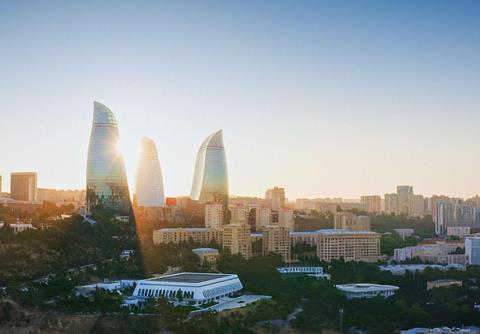
Held in Baku, Azerbaijan, WUF13 participants were able to experience a city that has undergone a rapid transformation in the recent past, in a country addressing numerous challenges, including the re-urbanization of post-conflict zones. Azerbaijan declared 2026 the “Year of Urban Planning and Architecture,” articulating the country’s commitment to improving people’s lives through urban planning while supporting a rich architectural tradition reflecting centuries of Asian and European influences.
The WUF13 opening ceremony featured heads of state from Azerbaijan, Bulgaria, Eswatini, Georgia, Kazakhstan, Kenya, Kyrgyz Republic, Mauritius, Serbia, and Uzbekistan. Ilham Aliyev, President of Azerbaijan, stressed the need “to be brave” in taking on significant urban planning challenges while also exercising caution in order to preserve heritage. He highlighted a major programme of reconstruction in the western regions of Azerbaijan since 2020, rehabilitating severely damaged buildings and communities after decades of conflict.
The Forum marked the beginning of a series of events focusing on sustainable cities with the UN Secretary-General’s report on the NUA mid-term review to be released in July 2026. This coincides with the review of Sustainable Development Goal (SDG) 11 (sustainable cities and communities) during the 2026 High-level Political Forum on Sustainable Development (HLPF). The NUA review will assess challenges faced and progress made across the NUA’s three transformative commitments: sustainable urban development for social inclusion and ending poverty; sustainable and inclusive urban prosperity and opportunities for all; and environmentally sustainable and resilient urban development. The review is informed by national and regional progress reports and a broad consultative process, survey responses, and stakeholder inputs. Referring to the review on multiple occasions during the Forum, UN-Habitat Executive Director Anacláudia Rossbach said “while real progress has been achieved over the last decade with more than two-thirds of countries having introduced national housing policies, implementation must accelerate, especially regarding housing affordability.”
Delivered in collaboration with UN-Habitat, the Government of Azerbaijan, and other stakeholders, WUF13 included a high-level ministerial meeting and WUF Stakeholder Assemblies on Sunday, 17 May, followed by the official opening ceremony on Monday, 18 May. From 19-22 May official discussions took place in Dialogues, Special Sessions, and Roundtables, accompanied by partner-led events organized into session streams, including: Voices from Cities; WUF Academy; and One UN events. An exhibition space comprised the Urban Expo, an Urban Library, and Urban Cinema.
Affordability was among the recurring themes throughout the week, with participants in many sessions raising concerns about the increasing dominance of market-oriented housing development and rising numbers of forced evictions in many countries. A call to view housing as a public good rather than a commodity was repeated many times, often in the context of the human right to adequate housing. Based on Article 25 of the Universal Declaration of Human Rights, the Right to Adequate Housing not only stipulates that shelter is a fundamental human need, but that “adequate” means homes must be safe, affordable, and accessible, as well as embedded in secure tenure, infrastructure, basic services, cultural connections, and employment opportunities that are close by. This places housing at the center of human dignity, safety, and inclusion and makes addressing the housing crisis a prerequisite for progress on multiple SDGs beyond SDG 11.
WUF13 culminated in the Baku Call to Action, a set of 15 outcomes based on deliberations during the Forum that will inform the NUA mid-term review. Key outcomes from the Call to Action include: expanding finance for affordable housing, including by pioneering new ways to calculate and manage risk, target subsidies, expand access to credit, and blend finance; strengthening multilevel and participatory governance; making homes climate resilient; and treating housing as a human right.
Despite the seriousness of the discussions, WUF13 was characterized by a light and at times celebratory atmosphere. Having defied record rains and flash floods in parts of Baku on the first day of WUF13, participants often reiterated that resilience is not only possible, but that there are increasing numbers of success stories and innovative approaches for more inclusive and sustainable housing and resilient urbanization. Many were on display at the Urban Expo, where more than 200 exhibitors presented practical solutions to urban challenges in housing, transport, energy, waste, and climate change, accompanied by dances, music, a display of carpet weaving, and other cultural expressions. The mood was reflected in an impressive closing ceremony where participants acknowledged the hosts with enthusiastic cheers leading UN-Habitat Executive Secretary Anacláudia Rossbach to thank participants for their knowledge, experience, and creativity and “for reminding us that housing the world is possible and we are ready to answer that call.”
A Brief History of the World Urban Forum
UN-Habitat organizes and runs the WUF every second year as the world’s leading gathering on urban issues. Each Forum focuses on the objectives of:
- raising awareness with respect to sustainable urbanization;
- sharing knowledge, lessons learned, best practices, and good policies on urban development; and
- strengthening coordination and cooperation among stakeholders to advance implementation.
Origin of the Process
In 1976, the first UN Conference on Human Settlements adopted the Vancouver Declaration, which officially established the UN Centre for Human Settlements as the major UN agency mandated by the UN General Assembly (UNGA) to pursue the goal of providing adequate shelter for all. In December 2001, UNGA adopted Resolution 56/206 transforming the UN Centre for Human Settlements into the UN Human Settlements Programme or UN-Habitat, with its own Governing Council and Secretariat. In the same resolution, UNGA established the WUF as a “non-legislative technical forum in which experts can exchange views in the years when the UN-Habitat Governing Council does not meet.”
The UN-Habitat Governing Council served as UN-Habitat’s intergovernmental decision making with members elected by the UN Economic and Social Council (ECOSOC) for four-year terms. In December 2018, UNGA decided to replace the Governing Council with the UN-Habitat Assembly, a universal body composed of the 193 UN Member States that convenes every four years.
The WUF provides an open forum for debate on the challenges of urbanization. It aims to further advance the outcomes of several UN conferences on sustainable development, including the 2030 Agenda for Sustainable Development and the associated Sustainable Development Goals (SDGs), and the New Urban Agenda (NUA), a global, non-binding agenda for making cities safe, sustainable, and resilient that was adopted at the Habitat III conference in Ecuador in 2016.
Key Turning Points and Linkages with Other Processes
The UN Conference on Environment and Development (UNCED): UNCED, also known as the Earth Summit, took place in June 1992 in Rio de Janeiro, Brazil. The principal outputs of UNCED were the Rio Declaration on Environment and Development, Agenda 21, and the Statement of Forest Principles. Agenda 21 recognized the challenge of rapid urbanization and highlighted the importance of local government, municipal management, and sustainable urban development.
World Summit on Sustainable Development (WSSD): The WSSD, marking ten years since UNCED, took place in Johannesburg, South Africa, in August and September 2002. The conference adopted the Johannesburg Plan of Implementation, which called for action on housing, basic services, slum upgrading, and livelihoods for the urban and rural poor.
UN Conference on Sustainable Development (Rio+20): Rio+20, held in June 2012 in Rio de Janeiro, adopted The Future We Want, a commitment for an economically, socially, and environmentally sustainable planet, dedicated to current and future generations. Rio+20 also held an Urban Summit that discussed issues, such as multi-level governance and peer-learning, and launched a process to develop the SDGs and establish the High-level Political Forum on Sustainable Development (HLPF) to follow up on the implementation of sustainable development.
2030 Agenda for Sustainable Development: In September 2015, the UN Sustainable Development Summit adopted Transforming Our World: The 2030 Agenda for Sustainable Development, a package that included the17 SDGs, 169 targets, and a framework for follow-up and review of implementation. SDG 11 calls on countries to “make cities and human settlements inclusive, safe, resilient, and sustainable,” with specific targets on, among other issues:
- access for all to adequate, safe, and affordable housing and basic services and upgrading slums;
- sustainable transport systems for all;
- sustainable urbanization;
- reducing deaths and economic losses caused by disasters;
- reducing the per capita environmental impact; and
- universal access to urban green spaces.
High-level Political Forum on Sustainable Development (HLPF): The HLPF was established by the 67th session of UNGA (Resolution 67/290) in July 2013 to provide political leadership, guidance, and recommendations for sustainable development. The HLPF has a system of Voluntary National Reviews in which countries present their progress towards the SDGs. SDG 11 on sustainable cities was reviewed at the HLPF in 2018.
Pact for the Future: In September 2024, world leaders adopted the Pact for the Future at the Summit of the Future, reaffirming commitments on sustainable development, climate action, financing, inclusive governance, and cooperation with local and regional authorities.
UN-Habitat Conferences
UN-Habitat conferences take place every 20 years to set broad policy directions to manage the impacts of rapid urbanization. UNGA convened Habitat I in Vancouver, Canada, in 1976. The conference recognized that shelter and urbanization are global issues to be addressed collectively and created the UN Centre for Human Settlements.
Habitat II convened in June 1996 in Istanbul, Türkiye. The Habitat Agenda and the Istanbul Declaration on Human Settlements, adopted by 171 governments during the Conference, outlined more than 100 commitments and strategies to address shelter and sustainable human settlements, emphasizing themes of partnership and local action. The Habitat Agenda sets the twin goals of achieving adequate shelter for all and the sustainable development of human settlements. The Conference also reaffirmed its commitment to the full and progressive realization of the right to adequate housing.
Habitat III took place in October 2016 in Quito, Ecuador, and adopted the NUA. The NUA aligns with many SDGs, particularly SDG 11. It promotes a vision for cities that is grounded in human rights and recognizes the need to give particular attention to addressing multiple forms of discrimination, including discrimination against people in slum settlements, homeless people, internally displaced persons, and migrants, regardless of their migration status.
The Quito Implementation Plan for the New Urban Agenda (included in the NUA document) comprises three sections: transformative commitments for sustainable urban development; effective implementation; and follow-up and review. The section on implementation emphasizes the need for establishing strong urban governance structures, planning, managing urban spatial development, and accessing means of implementation.
The UN Secretary-General reports on NUA implementation every four years, with the first two reports submitted in 2018 and 2022, respectively. The third quadrennial report will be released during UNGA’s 81st session in September 2026 and will focus on a mid-term review of NUA implementation. Countries also present voluntary National Reports and the UN Regional Commissions prepare Regional Reports on NUA implementation.
World Urban Forums
WUF1 took place in 2002 in Nairobi, Kenya, focusing on sustainable urbanization, the effect of HIV/AIDS on human settlements, violence against women, basic services and infrastructure, and the need for secure tenure.
Subsequent WUF sessions have been held every two years with themes ranging from “Implementing the New Urban Agenda” to “Cities of Opportunities: Connecting Culture and Innovation.” WUF sessions have convened in: Barcelona, Spain; Vancouver, Canada; Nanjing, China; Rio de Janeiro, Brazil; Naples, Italy; Medellín, Colombia; Kuala Lumpur, Malaysia; Abu Dhabi, United Arab Emirates; and Katowice, Poland.
WUF12 convened as a hybrid event in November 2024, in person in Cairo, Egypt, and online. Discussions highlighted the human cost of the housing crisis amid conflict and displacement, rising land costs, and the impacts of climate change. WUF12 themes included: managing the impacts of displacement due to war and conflict; promoting social cohesion and inclusivity through urban planning and design; and addressing environmental sustainability concerns, including through waste management and circular economy approaches.
Report of the Thirteenth Session of the World Urban Forum
WUF13 began on Sunday, 17 May 2026, with a High-level Ministerial Meeting on the NUA and the convening of the WUF Stakeholder Assemblies, followed by the official Opening Ceremony on Monday, 18 May. Throughout the Forum, participants convened in dialogues, roundtables, special sessions, and One UN events. This report is organized by session type.
Ministerial Meeting
High-level Meeting on the New Urban Agenda: This event took place on 17 May. Anar Guliyev, Chairman of the State Committee on Urban Planning and Architecture, Azerbaijan, and National WUF13 Coordinator, said the meeting brings together global perspectives and national and local experiences of implementing the NUA. He noted the Chair’s Summary of the Ministerial Meeting will be provided to the UNGA to inform its mid-term review of NUA implementation.
Anacláudia Rossbach, Executive Director, UN-Habitat, said the NUA has achieved real progress since its launch in 2016, with more than two-thirds of NUA countries having introduced national housing policies. However, she noted implementation of those policies had been uneven. She called for greater action in the coming decade on housing affordability, which is affecting all regions, often impacting the most vulnerable.
In a video message delivered on behalf of UN Secretary-General António Guterres, Guy Bernard Ryder, UN Under-Secretary-General for Policy, stressed that achieving adequate, safe, and affordable housing requires stronger partnerships, effective multilateral governance, and improved access to finance. Noting one in four people live in informal settlements or slums, he underscored the crucial role of marginalized voices for urban sustainability and inclusivity.
Krzysztof Szczerski, Permanent Representative of Poland to the UN, stated that while cities are centers of economic opportunity, innovation, and resilience, they continue to face increasingly complex urban conflicts, including growing pressure on infrastructure and basic services.
Nga Kor Ming, President, UN-Habitat Assembly, stressed that affordable housing is a cornerstone of sustainable development that governments can implement at national and local levels.
Statements: In their statements, ministers and other high-level representatives outlined recent developments in their countries and highlighted priorities for the NUA mid-term review and WUF13. Delegates stressed, among other issues:
- the importance of territorial planning and the need for quality spatial data;
- the need for greater international collaboration and concessional financing for urban infrastructure;
- challenges related to reconstruction in war-damaged areas and post-conflict zones;
- limited technical capacity for NUA implementation;
- the need for access to finance, including climate development finance for resilient housing;
- the need for inclusive urbanization and service delivery for all; and
- the importance of a human rights-based approach to housing policies.
Thematic Panels: In three thematic panels, delegates considered key themes for the NUA mid-term review.
In the first panel on housing for social inclusion and ending poverty, speakers noted that adequate, affordable housing shapes dignity and is a human right. Participants discussed, among other issues, experiences with social funding programmes for low-income areas, unlocking private investment in accommodation after opening land ownership, and the role of housing policy as a vehicle for accelerating social inclusion and addressing gender inequality.
In the second panel on housing for urban prosperity and opportunities for all, speakers highlighted housing as a powerful social and economic investment, stating that housing investments should be done at scale with flexible financing and through open processes enabling cooperation across sectors. Participants stressed, among other issues: the need to align policy frameworks at national and local levels; treating housing investment as an investment in growth; and prioritizing the needs of children.
Speakers in the third panel on housing for environmentally sustainable and resilient urban development underscored that climate change is fundamentally an inclusive development issue. Participants focused on, among other issues: efficiencies in housing policy; water as a critical resource for sustainable cities; and national and local policy alignments.
Closing: Rafael Tuts, Director, Global Solutions Division, UN-Habitat, said deliberations will inform the Chair’s summary and the Baku Call to Action, and help sharpen a collective understanding of what must change to accelerate NUA implementation.
WUF Assemblies
The WUF Assemblies convene key stakeholders from broader segments of society. At WUF13, the Assemblies convened a joint opening session on Sunday before splitting into separate sessions for governments, youth, businesses, civil society organizations, and women.
This report covers the joint opening session, which convened on Sunday, two out of the five Assemblies, and the joint closing session on Monday.
Joint Opening: Moderator Aditya Kumar, UN-Habitat, framed the Assemblies as an opportunity to co-create solutions for current crises and urged participants to carry home the messages emerging from the conversations. Other speakers highlighted:
- that all groups in society must play a role in urban development;
- the importance of adequate housing for gender equality; and
- the need to build cities that take care of vulnerable groups, considering connections between social inequalities, the climate emergency, and the housing crisis.
Assembly participants emphasized, among other issues: onboarding youth perspectives in policymaking; strengthening relationships between the poor and those in power; and seeing sustainability as the future of business products.
Women’s Assembly: Putting gender at the center of urban sustainability and development, the Women’s Assembly foregrounded connections between thriving societies and the full participation and empowerment of women.
Opening a panel on “Co-creating gender-transformative strategies for all women and girls,” Amna bint Ahmed Al Rumaihi, Minister of Housing and Urban Planning, Bahrain, highlighted the increasing role that women play in sustainable development in Bahrain, including at the ministerial level and in developing safe housing.
Bahar Muradova, Chairperson of the State Committee on Family, Women and Children Affairs of Azerbaijan, underscored the need for people-centered urban development that creates equal opportunities for women and pointed to Baku as a model city that promotes safety, accessibility, and sustainable solutions.
Speaking on behalf of UN Women Executive Director Sima Bahous, Kaori Ishikawa, UN Women Representative to Georgia and Liaison for the South Caucasus, stressed the need for safe, accessible urban spaces. She underscored gender-based violence as the primary driver of housing insecurity.
Noting that poor lighting and unsafe public transport limit women’s mobility, safety, and access to resources, Ameenah Gurib-Fakim, former President of Mauritius, called for intentional design, inclusive economic opportunities, and including women in urban decision making.
Inés Sánchez De Madariaga, UN Educational, Scientific and Cultural Organization (UNESCO) Chair on Gender, stressed that building inclusive urban futures requires moving beyond representing women as vulnerable groups and recognizing that they are leaders of urban transformation.
The Women’s Assembly continued in breakout groups discussing, among other issues, access to adequate housing, women’s networks and access to decision making, financing housing, climate resilient housing, and gender equality in informal settlements.
World Assembly of Local and Regional Governments: Pablo Fernández Marmissolle-Daguerre, United Cities and Local Governments (UCLG), highlighted both the upcoming review of SDG 11 coinciding with the mid-term review of the NUA and the crucial work of the Global Taskforce of Local and Regional Governments to center local leadership at the heart of multilateralism.
Nga Kor Ming, UN-Habitat, described Malaysia’s People’s Housing Programme, which has provided over 100,000 housing units for low-income households, contributing to the development of integrated communities and economic opportunities.
Sébastien Vauzelle, Local2030 Coalition, said action to achieve global goals begins in cities and regions.
Uğur İbrahim Altay, Mayor, Konya Metropolitan Municipality, Türkiye, explained that just housing requires treating housing as a public good rather than a commodity and suggested that the NUA mid-term review address barriers to implementation, such as weak decentralization, constrained fiscal space, and the financialization of housing and land.
Rohey Malick Lowe, Mayor of Banjul, The Gambia, said local and regional governments are co-creators and custodians of a new social contract, underscoring that the future of multilateralism is place-based and grounded in care.
Jan van Zanen, Mayor of The Hague, the Netherlands, said active collaboration approaches such as his city’s new safe streets approach, which allows residents to report locations where they feel unsafe due to poor lighting or neglected public safety, help restore trust between local communities and global institutions.
Clara Brugada, Mayor of Mexico City, described international municipalism as the political movement of territories uniting to ensure local voices reach the places that will have an impact. She lamented the consequences of financialization, including increased housing costs, gentrification, and evictions, and suggested countering these effects through community-led urban transformation and positioning communities as protagonists of transformation who “can see the pain of our people.”
Following these interventions, participants heard from mayors, coalitions of local and regional governments, and non-governmental organizations. They discussed a range of topics, including: strengthening multilevel democratic governance; unblocking funding opportunities through alliances between regions and peer-to-peer learning; centering care as the cornerstone for housing justice and gender equality; the right to the city as a right to the valorization of local culture; and recognizing local governance in conflict areas.
Joint Closing: Gulshan Rzayeva, Deputy Chief of Staff, State Committee on Urban Planning and Architecture, Azerbaijan, and Deputy National Coordinator of WUF13, said the five Stakeholder Assemblies highlighted that the future of cities must be shaped together with stakeholders. She expressed hope that WUF13 deliberations will be reflected in the NUA mid-term review and the review of SDG 11 at the HLPF in July 2026.
The chairs of the five assemblies then presented summaries of their discussions:
- Local and Regional Governments said the NUA mid-term review must address structural challenges to implementation, including weak decentralization, fragmented competences, constrained fiscal space, financialization of housing, and insufficient multi-level governance arrangements.
- Grassroots and Civil Society Organizations called for: an end to forced evictions and laws that protect communities; secure land tenure; planning “with” instead of “for” communities; and inclusion based on lived experience and increased housing finance.
- Business and the Private Sector said the private sector is central to advancing adequate and environmentally responsible housing, noting that solutions to many challenges already exist and that collaboration is not optional.
- Women called for strengthening women’s leadership, support for access to accountability spaces, inclusion of Indigenous knowledge in urban planning, and direct finance and aid for gender-transformative housing.
- Children and Youth reminded participants that young people will bear the consequences of today’s decisions and called for shared spaces where youth and leaders intentionally engage and co-create child-centered solutions and youth-led action for livable cities.
Krzysztof Szczerski, Permanent Representative of Poland to the UN and Co-Facilitator of the NUA mid-term review, stressed the role of stakeholders in the review and the importance of multi-stakeholder and multi-level partnerships in advancing urban development.
Anna Soave, UN-Habitat, said the Assemblies underscored that we need better alliances among sectors to prepare for “stormy days” and that cities are diverse and dynamic, requiring flexible approaches and adaptive governance mechanisms to catalyze a better urban future.
Press Conference
A press conference was held on Monday morning, 18 May. Anacláudia Rossbach, Executive Director, UN-Habitat, highlighted that WUF13 was convening at a pivotal moment as the scale and urgency of urban challenges demand faster, more coordinated, and inclusive action in the face of both crises and opportunities. She said WUF13 is bringing together Heads of State, mayors, UN officials, business, academia, and civil society representatives with the common goal of building scalable solutions that translate policy dialogue into measurable action on the ground.
Anar Guliyev, Chairman of the State Committee for Urban Planning and Architecture of Azerbaijan and National WUF13 Coordinator, described Azerbaijan’s commitment to urban development, multilateral cooperation, stakeholder engagement, and the practical application of sustainable urban solutions, including modernizing cities, expanding green infrastructure, improving affordable housing, and strengthening climate resilience. Guliyev said Azerbaijan is advancing urban transformation by rebuilding through smart urban planning, green growth, and human dignity, including through “the reconstruction of villages in the liberated territories of Karabakh and East Zangezur.”
Nga Kor Ming, President of the UN-Habitat Assembly, recognized the Forum as an opportunity to both strengthen international cooperation and political momentum around sustainable urbanization and generate practical solutions that can be adapted to local contexts. “The future does not belong to those who predict it; it belongs to those who build it,” he said.
Opening Ceremony
On Monday afternoon, the opening ceremony for WUF13 commenced with a video and live dance performance depicting themes around the importance of adequate and affordable housing for human dignity. Ilham Aliyev, President of Republic of Azerbaijan, outlined his country’s commitment to improving people’s lives through urban planning, and stressed the need to be “brave” in taking on significant urban planning challenges while also taking care to preserve heritage. Aliyev highlighted a major reconstruction programme in the western regions of Azerbaijan since 2020, that was rehabilitating severely damaged buildings and communities after decades of conflict. Aliyev also noted that Baku, parts of which were previously known as “Black City” due to pollution from oil production, is now an environmentally-friendly city, with model urban areas and a sustainable transport system.
In a video message, UN Secretary-General António Guterres pointed to the 2025 World Summit for Social Development’s Doha Political Declaration, which reaffirmed the right to adequate, safe, accessible, and affordable housing as a step towards building momentum for accelerating NUA implementation.
In her video message, Annalena Baerbock, President of the 80th UNGA, said the NUA is as relevant in 2026 as it was in 2016, with the upcoming mid-term review providing an opportunity to learn the lessons of the NUA’s first decade of implementation. She also noted the importance of a systemic approach connecting boosted housing supply with services and infrastructure.
UN-Habitat Assembly President Ming highlighted the importance of addressing a crisis which sees around one in four people living in inadequate housing. He welcomed statements made during the WUF Ministerial Meeting, held the previous day, recognizing that all countries currently face similar challenges on housing and acknowledging the links between the WUF’s discussions to accelerate NUA implementation and contributions to targets under SDG 11.
Framing the housing crisis as a “crisis of equity, resilience, and human rights” and emphasizing that the future of cities will be shaped “not by exclusion but by inclusion,” UN-Habitat Executive Director Rossbach declared WUF13 officially open. She underscored housing as a “social necessity and powerful economic engine” that requires finance systems that support “homes, not speculation.” She urged WUF13 to send the message that it is time to accelerate NUA implementation and voiced hope that “we leave Baku with renewed confidence that despite today’s global challenges, adequate housing can be within reach for all, without exception.”
Leader’s Statements: Introducing the dialogue with global leaders, Sarah Nandudu, Slum Dwellers International, described the urgency of ensuring that affordable housing for the world’s poor is inclusive, noting the need for pro-people policies that support housing finance directed to marginalized communities.
Shafkat Mirziyoyev, President of Uzbekistan, described how sustainable urban development is of strategic importance to the new Uzbekistan. He highlighted a plan to increase housing construction by 150% by 2030 through the allocation of approximately USD 2 billion annually to provide the population with affordable housing.
William Ruto, President of Kenya, described how the establishment of a housing programme as a fundamental development pillar in his country helped overcome challenges of land availability, cost of construction, and housing finance through standardized construction materials, economies of scale, and a dedicated financial mechanism.
Aleksandar Vučić, President of Serbia, underscored problems of overcrowding, inadequate and expensive housing, uncontrolled pollution, and unmanageable waste production in cities around the world. He prioritized urban decarbonization, green spaces, and digital innovation as responses in his country and beyond.
Sadyr Japarov, President of the Kyrgyz Republic, highlighted the country’s initiatives on urban modernization, greening, digitalization, and housing. He emphasized the need for ecosystem resilience and innovation for mountain urbanism, as climate change increases environmental pressures on cities in mountainous regions.
Iliana Iotova, President of Bulgaria, underscored the blurring of economic and infrastructural boundaries between cities, which requires governance that is connected, multilateral, and shared. Noting climate change and conflict are spurring migration to cities, Iotova called for placing housing at the heart of policies, saying cities become “big and great when nobody is considered unnecessary.”
Irakli Kobakhidze, Prime Minister of Georgia, highlighted his country’s integrated approach to sustainable development, which is guided by a strategic, long-term vision and effective governance. Kobakhidze underscored that national policies prioritize the wellbeing of people and aim to provide accessible housing, preserve cultural heritage, and ensure rural and urban communities equally benefit.
Olzhas Bektenov, Prime Minister of Kazakhstan, emphasized national initiatives advancing sustainable urban development in three areas: technology, including legal frameworks for safe and human-centered use of artificial intelligence (AI); water management and environmental protection; and cooperative approaches to resilience.
His Majesty Mswati III, King of Eswatini, underscored his country’s efforts to expand access to home ownership and improve living conditions. He urged stronger cooperation, innovative partnerships, and investing in renewable energy, smart technology, and sustainable construction while “ensuring we keep people at the center.”
Dharambeer Gokhool, President of Mauritius, pointed to the unprecedented pace of global urban expansion, noting urbanization often occurs without adequate planning. He said Mauritius’s 2025 national urban policy is aimed at communities which are both sustainable and resilient by design. He called for targeted international support for small island states.
Mohamed Yunus al-Menfi, President of the Libyan Presidential Council, said climate impacts and increasing immigration posed significant challenges for Libya, noting that boosting housing is a key part of his country’s response. He called for strengthened partnerships to provide sustainable financing arrangements.
Speaking on behalf of China’s President Xi Jinping, Zhang Guoqing, Vice Premier of China, said his country is advancing urban modernization with Chinese characteristics, including through strengthened programme governance. He said China stands ready to work with others to optimize the layout of urban spaces with stronger public service standards, resilience, and integrated data approaches.
Constantino Chiwenga, Vice-President of Zimbabwe, congratulated Kenya on hosting the second African Urban Forum in April 2026 and suggested using its outcome statement as an input for the NUA mid-term review. He affirmed Zimbabwe’s commitment to sustainable urban development, noting it had delivered a million housing units between 2020 and 2025, with plans for a further million to 2030.
Igor Sergeyenko, Chairman of the House of Representatives of Belarus’s National Assembly, said his country’s strategic development plan to 2040 includes a special focus on housing and aims to provide all citizens with homes that are affordable, standards-compliant, and energy efficient.
Tomáš Taraba, Deputy Prime Minister and Minister of Environment, Slovak Republic, stressed that cities are not just centers of growth but important sites of innovation and expertise. He outlined his country’s expertise in water management and its commitment to the modernization of older dwellings.
Deryageldi Orazov, Chairman of the State Committee for the Construction of the City of Arkadag, Turkmenistan, described Arkadag as a newly constructed green and smart city embedded into the natural features of the landscape of the Karakum Desert. He said the city uses solar power, recycles, treats water from sewage treatment plants, and ensures public safety through city-wide video surveillance.
Say Sam Al, Deputy Prime Minister and Minister of Land Management, Urban Planning and Construction, Cambodia, described the historical journey of his country’s development and its commitment to sustainable urban planning, enhancing partnerships, improving waste management, and promoting “green and healthy” living.
Albana Koçiu, Deputy Prime Minister, Albania, described how urban renewal in her country restored a sense of belonging after decades of urban decay. She stressed that sustainable urban development in Albania has meant housing construction that does not simply replace buildings lost from natural disasters but corrects for “old vulnerabilities” and prepares better for future shocks.
Oleksiy Kuleba, Minister of Community and Territories Development, Ukraine, emphasized that his country “is participating in the Forum while facing a full-scale war for over four years,” lamenting damage to 40% of Ukraine’s housing stock amounting to USD 60 billion in war damages. He stressed that even while the war continues, Ukraine is “reshaping ways to make cities resilient for the 21st century,” including by building cities that can survive war, attacks on its energy systems, and humanitarian crises at the same time.
Maryam Nawaz Sharif, Chief Minister of Punjab, Pakistan, highlighted urban sustainability initiatives to plant trees and roll out electric buses, bicycles, and taxis, and data-driven efforts to improve flood resilience, improve air quality, and deliver affordable housing that is “dignity made permanent.”
Dialogues
WUF Dialogues are high-profile events that set the agenda for policy and action. They bring together thought leaders, practitioners and decision-makers to share insights and solutions on themes of global importance and key reflections on the status of the NUA. The six Dialogues took place from 19-21 May.
The Global Housing Crisis: What is the Plan? As cities grow, so do pressures from climate change, inequalities, lack of affordable housing, and a host of other urban challenges. This dialogue, which took place on Tuesday, 19 May, foregrounded housing as a human right and acknowledged that not all cities are the same and that one-size-fits-all plans to address the global housing crisis are inadequate.
Opening interventions by Anacláudia Rossbach, UN-Habitat Executive Director, and Gulshan Rzayeva, Deputy National Coordinator of WUF13, Azerbaijan, stressed community-led approaches and public-private-civil society partnerships.
Other dialogue participants amplified needs for:
- co-creation with communities and Indigenous Peoples;
- accounting for different scales, as the challenges change from the household level to the neighborhood, city, and territory levels;
- prioritizing human rights over profits, including remedies and restitution for those facing eviction; and
- channeling support to the poorest populations, as this support will help all segments of cities.
In closing remarks, Patricia Scotland, former Secretary-General of the Commonwealth, called for diverse approaches, because a “sustainable diet will be flavored in different ways in different places.”
The Social and Economic Power of Housing: When implemented correctly, housing solutions can powerfully drive economic growth and reduce social inequalities. This dialogue, which took place on 19 May, explored how cities can transition to more inclusive housing strategies that deliver both economic performance and social benefits.
After keynote remarks underscoring the need for including social objectives in post-conflict recovery and ensuring finance does not exacerbate inequalities, participants highlighted strategies to unleash the social and economic potential of housing solutions. These included:
- addressing accessibility for people with disabilities and older populations when investing in new housing;
- considering where to site low-income housing, as siting them on the fringes of cities leads to higher costs over time;
- strengthening public sector capacity; and
- using public finance to catalyze and de-risk diverse housing investments.
In closing remarks, Princess Lamia bint Majed Al Saud, UN-Habitat Regional Goodwill Ambassador for Arab States, noted that UN-Habitat programmes had supported 1.2 million new housing units around the world. Rossbach emphasized the importance of high-level leadership to help housing programmes navigate complex interactions between housing supply and governance, services, and infrastructure.
Transforming Informal Settlements and Slums for Housing the World: With more than one billion people living in informal settlements and slums, where basic services are lacking and climate impacts and humanitarian crises are acutely felt in everyday life, this dialogue, which took place on 20 May, explored transformative approaches to addressing their urgent needs.
Setting the stage, Rossbach said “we have failed as a society” to address the plight of those living in informal settlements, stressing that political will is needed to scale up existing solutions.
During the dialogue, housing experts and other participants underscored the need to recognize the diversity of informal settlements and slums to prevent polarized responses to transformation plans. They cautioned governments to distinguish between democratically organized collectives and the criminal syndicates that force money from slum-dwellers. Key solutions discussed included:
- community housing cooperatives, in which subsidies and loans go directly to cooperatives;
- digital technologies, such as apps, that elevate the voices of women and other vulnerable groups;
- the role of blended finance that leverages government land and investment from domestic commercial banks and international development finance; and
- upgrading informal settlements to center the needs of children and youth.
The Climate-Housing Nexus: The many connections between housing and climate change include mitigation and adaptation, as housing sectors significantly contribute to both global greenhouse gas emissions and the resilience of cities. This dialogue, which took place on 20 May, explored how new technologies, nature-based solutions (NbS), and rights-based and inclusive policy approaches to the climate-housing nexus can deliver big gains for people and the planet.
Across three panels, experts emphasized, inter alia:
- local building materials are often cheaper, more sustainable, and less carbon intensive than imported materials;
- local contexts are diverse and no single solution will work everywhere;
- lower-cost technologies such as 3D printed houses are adaptable to diverse conditions;
- delivering on the potential of NbS requires integrating them at the planning stage; and
- land-tenure rights are a condition for successful slum upgrading, as they allow residents to invest in their homes without fear of eviction.
Housing at the Center of Crisis Recovery and Reconstruction: In an era of conflict and intensifying natural disasters, crises are leaving entire cities in rubble and spurring waves of displaced populations. In this dialogue, which took place on 21 May, government leaders and humanitarian officials shared ideas and lessons learned from efforts to restore the safety, dignity, and social cohesion of devastated communities.
Emin Huseynov, Special Representative of the President of Azerbaijan in the Aghdam, Fuzuli, and Khojavand districts, stressed that “rebuilding homes means rebuilding belonging” and that housing must be the priority in recovery efforts. Rossbach underscored the need to fix structural mismatches between humanitarian and development funds.
Across two panel discussions, participants stressed:
- channeling resources toward permanent housing solutions;
- the need for context-specific and rights-based approaches, including land rights, access to services, and documentation;
- maintaining the agency of people who have been impacted; and
- foregrounding women in recovery efforts, as they often are leaders of households.
Leaders from the State of Palestine, Syria, and Ukraine also shared their rebuilding experiences, stressing the need for, inter alia, international good will, the involvement of communities in recovery efforts, and compensation mechanisms to help residents return and rebuild.
A New Deal for Housing Finance: Finance systems need to deliver adequate and affordable housing, but too often they fail low- and middle-income populations squeezed by increasing urbanization and other social and economic crosscurrents. Participants in this dialogue, which took place on 21 May, stressed the need for policies and financing that build inclusive and resilient communities.
Opening remarks put solutions on the table, with Tamara Paseyro Marin, Minister of Housing and Territorial Planning, Uruguay, highlighting tax breaks to incentivize the private sector to supply social housing, and Anar Karimov, First Deputy Minister of Finance, Azerbaijan, noting how concessional finance for nurses, teachers, and others contribute to stronger communities.
In a panel discussion, experts underscored:
- that housing systems are fragmented, and governments have a responsibility to ensure joined-up policy responses;
- subsidizing mortgage repayment levels for low-income households can contribute to lowering delinquency rates;
- regulation recognizing the value of some informal housing will help improve the quality and safety of that housing; and
- mortgages work best for middle-income groups but many low-income workers, including migrant workers, have no connection with a bank and require support for increasingly high-cost rental accommodation.
Special Sessions
WUF Special Sessions explore unique challenges and opportunities relating to globally important issues. They provide a space for reflection, learning, and replication of successful practices. Ten special sessions took place from 19 to 21 May.
Housing at the Center of Global Coalitions: Housing affordability remains at the heart of a sustainable urban agenda; yet the gap between where people work and the affordability of housing where people live continues to grow. This special session on 19 May explored how to turn global housing commitments into scaled action.
In opening statements, speakers underscored that: housing challenges are multidimensional; housing affordability cannot be separated from land values; and housing is an enabler rather than an outcome of development.
Across two panels, participants identified trends, strategies, experiences, and opportunities associated with the global housing crisis, including:
- the widening affordability gap;
- linking housing with service provision;
- de-risking investment in affordable housing;
- participatory approaches as core mechanism for more effective policy for urban planning;
- sustained support for civil society organizations; and
- viewing affordable housing as a human right rather than as a commodity.
Cities at the Heart of Connectivity: Urban Reconstruction and Regional Cooperation: During this special session on Tuesday, 19 May, ministers and urban consultants showcased projects to build new regional connections and regenerate urban areas, foregrounding visions of cities as platforms of technology, climate action, regional cooperation, and economic and cultural development.
In opening remarks, Jeyhun Bayramov, Minister of Foreign Affairs, Azerbaijan, underscored his country’s work to place cities at the heart of the global agenda. UN-Habitat Executive Director Rossbach stressed the need to build connections that simultaneously lift rural and urban communities. Anar Guliyev, National Coordinator of WUF13, Azerbaijan, detailed post-conflict recovery efforts in his country.
Azerbaijani ministers then outlined their sustainability approaches and visions across the economic, digital services, transportation, and energy sectors, including:
- polycentric approaches to city governance;
- niche approaches that ensure services and connections are in place for returning residents;
- identifying traditional strengths and how to reinforce them;
- starting with clear goals, including aiming to reduce transit times; and
- delivering measurable outcomes in energy efficiency, so cities create more value with less energy.
Philippe Cornette de Saint Cyr, Boston Consulting Group, and Nigel Dancey, Foster and Partners, highlighted several urban development projects that are addressing sustainability.
Pulse of Healthy Homes: This special session on Tuesday 19 May explored how the lack of accessibility to affordable housing isolates vulnerable groups and exacerbates poor health outcomes.
Tedros Adhanom Ghebreyesus, Director-General, World Health Organization (WHO), in a video message, and UN-Habitat Executive Director Rossbach, stressed that links between housing quality and poor health impacts are well-established and that partnerships and concrete commitments are required to build positive health impacts, particularly for those living in informal settlements.
Across two panels, participants discussed linkages between adequate housing and health outcomes, including:
- how deteriorating public health outcomes result from both climate change and failures in urban public infrastructure policy;
- the need for community-led public health efforts to hold elected officials accountable to provide resources;
- a positive example from Tampere, Finland, where 90% of new housing is planned to improve access to public facilities; and
- linkages between urban design and children’s health.
In a video message, Jean Todt, UN Special Envoy for Road Safety, said road safety is a “silent pandemic,” injuring 50 million people annually, and urged speed limits of 30 kilometers per hour in urban areas where people live.
Hande Harmanci, WHO representative in Azerbaijan, stressed that governments must put healthy outcomes at the center of housing policy.
Building from the Ground-up: From Resistance to Alternatives: Communities around the world are turning their visions for collective, equitable housing into reality, yet community-led initiatives are largely absent from mainstream housing policy. Community project leaders shared on-the-ground experiences during this special session on 19 May.
Somsook Boonyabancha, Asian Coalition for Housing Rights, urged demand-side perspectives and opening spaces for people to organize and become active actors in housing policy. Koldo Casla, UN Special Rapporteur on the right to adequate housing, urged inclusive institutional frameworks that democratically regulate property and fulfill the right to adequate housing.
Across two panels, participants offered perspectives on how to scale-up and make community-led approaches visible. Recommendations and examples included:
- community participation in mapping land;
- legal frameworks recognizing the social production of habitats focused on people’s needs;
- housing subsidies for women as a way of fighting gender violence;
- training programmes and raising awareness;
- including communities at all phases of development;
- consistent national housing policies combined with strengthening local authorities and recognition of local dynamics; and
- community savings programmes and cooperative approaches that build networks of communities.
Simon Deprez, UN-Habitat, highlighted the work of the Open-ended Intergovernmental Expert Working Group on Adequate Housing for All as a space for sharing knowledge and best practices.
Rethinking Cultural Heritage and Inclusive Urban Regeneration: During this special session, which took place on 20 May, speakers representing UN agencies, development partners, governments, and local actors considered how heritage-led regeneration can address housing challenges in historic neighborhoods and settlements to support more inclusive urban futures.
Across two panels, participants’ insights included that:
- to retain identity and culture, cities should consider what to conserve, who will benefit, who will pay, and how conservation will be implemented when developing housing in heritage sites;
- when crowding in private sector investment for the restoration of historical neighborhoods, governments should conduct extensive and continuous consultations with affected populations;
- when evaluating costs and benefits to balance economic and social outcomes, governments should use a framework that appropriately values intangible cultural assets;
- restorations can drive uplift in property values and consequent rent adjustments should not force inhabitants from their homes; and
- transformation of historical neighborhoods is not simply about restoring buildings, but also about communities trusting the intended outcomes.
Cities as Playing Fields: Sports and leisure activities build and bond communities, yet they are often overlooked in conversations about essential services and urban sustainability. Government leaders, financial institutions, sports organizations, and other stakeholders brought recreation into the spotlight as a planning priority during this special session, which took place on 20 May.
UN-Habitat Executive Director Rossbach highlighted how sports infrastructures transform urban environments and benefit health and wellbeing. Laura Chinchilla, International Olympic Committee, stressed that sports are a “low-cost, big impact tool” to accelerate social, environmental, and economic goals.
During two panels, participants considered:
- investment in sports as a prevention measure that reduces health costs and crime rates, and empowers citizens, including women and youth;
- sports are more effective when integrated within broader frameworks that connect infrastructure and sustainable, inclusive urban planning;
- the importance of getting investment to the local level, where it can have the most impact;
- the need to plan accessible sports facilities for long-term sustainability;
- the benefit of systematically integrating sports at the core of urban policy; and
- the need to measure the impact of sports with “indicators of active cities”.
Architect and paralympic swimmer Ileana Rodriguez called sports a healing process for people with disabilities and urged building urban spaces that provide “sports for all.”
Closing the Loop: Advancing Waste Management Towards Circular Economy: Redesigning cities with efficient systems for waste collection, recycling, and safe disposal is essential for ensuring adequate housing and creating healthy, sustainable living environments. Academics, development agencies, business, local leaders, and UN speakers shared their perspectives during this special session, which took place on 20 May.
Across two panels, insights included that:
- a third of all waste, a main source of the potent greenhouse gas methane, is either not collected or openly dumped and is expected to grow 50% by mid-century;
- stronger waste classification and the circular economy need to be considered fundamental elements of climate action and sustainable development;
- a high-ambition fully implemented global strategy for improved waste management could yield USD 150 billion in annual savings by 2050;
- fiscal incentives, as used in Azerbaijan, could prompt more widespread classification of waste, including by the private sector;
- requirements should be strengthened for companies to take responsibility for managing waste from their products’ life cycle; and
- the impacts of poor waste management fall disproportionately on informal settlements.
Stories from the Climate Frontlines: As climate change intensifies and urban populations grow, the world’s cities are grappling with flooding, sea level rise, heat waves, and droughts. Participants during this special session on 20 May shared their experiences and offered insights into how to build resilience for the cities of tomorrow.
Umayra Taghiyeva, Deputy Minister of Ecology and Natural Resources, Azerbaijan, highlighted climate impacts in her country, including longer droughts and more days with temperatures above 35°C. Juan Pablo Bonilla, Inter-American Development Bank, highlighted regional projects that move towards integrated solutions.
Across two panels, focused on the Amazon and small island nations, participants’ insights included:
- a need for multi-governance approaches and knowledge exchange;
- achieving just transitions away from fossil fuels through tailored approaches to infrastructure and co-producing knowledge with Indigenous Peoples;
- making financing more accessible, aligning financing with the lived realities of communities, and supporting community involvement in solutions;
- the need for investments in land restoration and drought resilience as climate change fuels dust and sandstorms; and
- the need for partnerships that bring in people living on the frontlines of the climate crisis.
Inclusive Urban Resilience, Blue Economy and Sustainable Tourism in SIDS: Small island developing states (SIDS) can scale climate resilient housing, inclusive urban development, and sustainable tourism through policy and practical actions to strengthen services, security of tenure, and resilient urban planning.
During this special session on 21 May, UN-Habitat Regional Director for Asia and the Pacific, Kazuko Ishigaki, noted SIDS are among the first to feel the impacts of climate change and housing and urban resilience, blue economy, and sustainable tourism are of particular importance for them.
Ministers from SIDS and other representatives shared insights, including that:
- tourism and housing (inter-related investments) both need to be scoped within integrated urban planning;
- SIDS have small populations and economies, which makes it challenging to use conventional cost-benefit analysis and payback periods for housing projects;
- upfront investment in making planned housing more resilient to hurricanes, flooding, and other climate impacts is less costly than repairing after disasters; and
- successful tourism initiatives, such as guest house tourism in the Maldives, can drive capital uplift, potentially leading to remote island business operators relocating to urban centers.
Africa Affordable Housing Compact – Deal Room Investor Session: The Africa Affordable Housing Compact is a strategic, multi-stakeholder initiative designed to transform Africa’s housing sector by driving investment, fostering innovation, and strengthening partnerships. A central feature of the Compact is its Deal Platform, which acts as a dynamic connector between investors, accelerators, financial institutions, and high-impact housing projects.
During this special session on 21 May, UN Deputy Secretary-General Amina J. Mohammed, noted that by 2050, Africa’s population will reach 2.5 billion, with most people living in cities. She stressed the value of the Compact’s delivery platform for channeling bankable affordable housing projects, saying African risk is mispriced in global markets. UN-Habitat Executive Director Rossbach said Africa’s finance gap of more than USD 1.4 trillion represents a significant green investment opportunity.
A panel of ministers and other high-level speakers from The Gambia, Eswatini, Angola, Liberia, Morocco, and Kenya then provided updates on their countries’ recent improvements in financing arrangements for affordable housing.
Following this, representatives of the private sector outlined four housing projects in Ghana, Rwanda, Mozambique, and Senegal.
Roundtables
WUF Roundtables are action-oriented events that bring together peers to exchange views and opinions on key urban issues. This report covers eight out of the 12 roundtables convened during WUF13, which took place from 19 to 22 May.
One UN for Adequate Housing and Resilient Communities: Delivering the SDGs through Housing and Urban Solutions: Housing cuts across all aspects of human wellbeing and sustainable development. On 19 May, this roundtable explored how the UN system can deliver coordinated solutions to accelerate housing and SDG implementation. In two panels focusing on solutions and implementation pathways, participants shared experiences and suggestions for integrated approaches, including:
- by considering key needs and services alongside housing, such as water and sanitation, energy, and urban food systems;
- better implementation of existing policies and follow-up on previous commitments, such as the SDG Accelerators discussed at WUF12;
- institutionalizing multi-level governance and long-term financial arrangements that bring together multilateral development banks and the private sector;
- building the capacity of municipal governments to access funding and implement complex, multi-dimensional projects;
- better data integration to target communities in need and deliver systemic, coherent, and adaptive programmes; and
- recognizing linkages between urban and rural areas, such as the role of healthy land to reduce migration pressure and provide resources to cities.
Local and Regional Governments: During this roundtable on 19 May, participants discussed local and regional governments’ potential to lead on achieving adequate housing and resilient communities as well as the scope to scale local solutions through partnerships. Across two panels, key messages emerging from discussions included that:
- the future of sustainable development will not be decided by global decrees, but by the work of local and regional governments;
- long-term financial arrangements are needed as too often cities and local governments are expected to deliver global goals with inadequate budgets and problematic governance arrangements;
- multi-level planning processes must be participatory and transparent, and data-informed, so housing meets people’s needs;
- cities must treat housing as essential infrastructure and plan decades in advance, as is done for other major infrastructure, which would enable better coordination between housing and schools, employment, and transport;
- small to medium-sized towns are vital engines of economic growth, requiring careful planning to address population and housing pressures; and
- to support the delivery of housing solutions at scale, investment banks are asking governments to “crowd-in” the private sector by de-risking investments with grants and concessional finance to lower borrowing costs.
Business: On 20 May, this roundtable discussed the most critical opportunities to unlock private capital for adequate housing at scale. In the first panel on what makes a housing market investable, participants provided reflections, including:
- how mobilizing private capital into housing requires stable market conditions;
- the importance of expanding the public-private partnership model to include people, policy, and partnerships; and
- stronger project discipline, good design, and long-term quality management to attract developers.
In a second panel, participants discussed risk resilience and long-term performance for investment in adequate housing, including:
- a recognition by Musadik Malik, Federal Minister for Climate Change and Environmental Coordination, Pakistan, that climate change is a kind of “natural terrorism” in which only three countries produce up to “67%” of global greenhouse gas emissions, while his country produces less than 1%;
- the need to revisit and revise Environmental, Social, Governance (ESG) taxonomies for a more “human-centered” approach; and
- housing serves two contradictory objectives at the same time: a shelter that needs to be affordable and priced relative to incomes; and an asset that delivers risk-adjusted returns, resulting in pricing relative to capital markets rather than incomes.
The Rights of Older Persons: On 20 May, this roundtable on discussed how the right to adequate housing can be realized for older people in the context of rapid urbanization and ageing populations, including isolation resulting from depopulating rural areas, challenges for housing design for older people and caretakers, and the need to make green spaces, transport, and other services accessible for all age groups.
The Rights of Persons with Disabilities: Co-designed with input from Organizations of Persons with Disabilities (OPDs), this roundtable on 20 May discussed moving beyond accessibility as regulatory compliance and towards more holistic governance that serves the needs of persons living with disabilities in urban areas.
Heba Hagrass, Special Rapporteur on the Rights of Persons with Disabilities, Office of the UN High Commissioner for Human Rights, lamented that “too many urban environments treat accessibility as an afterthought or a charitable add-on.” In a panel discussion, participants discussed the need for:
- universal, yet dynamic, design standards that account for persons with disabilities;
- dedicated financial support through retrofitting grants;
- improved participation and integration of OPDs;
- disability-disaggregated data and tracking mechanisms to identify persons with disabilities in their communities following climate shocks;
- valuing qualitative over quantitative data, particularly in terms of the role of caregivers and broader community networks to support inclusion and accessibility; and
- including persons with disabilities at all stages of designing and implementing development policies.
Parliamentarians: On 21 May, this roundtable addressed how national legislation can turn global housing commitments into real outcomes.
Academia and Research: Academic research informs and challenges understandings of how housing both shapes and is shaped by social, political, and economic forces. On 21 May, this roundtable explored how this knowledge can be translated into action in a rapidly urbanizing world facing complex crises around housing.
Researchers in the first panel identified critical housing-related research and knowledge gaps related to: improving existing housing stock; mobile populations; how housing issues have changed over time; and rental housing markets, particularly among low-income populations. To close these gaps, researchers emphasized the need to: inclusively co-produce knowledge and connect with civil society and other groups gathering data; leverage trust in academia and incentivize research with public service dimensions; and create venues that connect cities and university research.
Other recommendations included:
- designing agile, interdisciplinary educational programmes;
- leveraging technology to break data analysis bottlenecks; and
- putting people at the center of integrated knowledge systems that recognize change as constant.
Children and Youth: This roundtable on 21 May explored how cities can be co-designed with young people to create livable urban futures.
Grassroots and Civil Society Organizations: Civil society voices have the power to ensure justice and accountability in decision making about urban futures but too often go unheard. On 21 May, this roundtable brought together grassroots and civil society organizations to amplify their calls for sustainable urban environments for all.
During a panel discussion, participants emphasized the importance of reframing housing not as a commodity but as a public good, as well as advancing rights-based approaches to stop forced evictions. Other interventions stressed the importance of:
- including people with disabilities as leaders in housing solutions;
- moving from building- to neighborhood-level solutions, which are more scalable and inclusive;
- investing in local data collection and strengthening local knowledge systems; and
- accountability in what leaders agree to at WUF13, which for Rose Molokoane, Slum Dwellers International, requires the “power, wisdom, and encouragement to knock at our governments’ door and to make them listen to us.”
In closing remarks, André Dzikus, UN-Habitat, noting SDG indicator 11.3.2 on direct participation structures, urged creating a roadmap to measure progress on implementing actions from one WUF to the next, through to a potential Habitat IV in 2036.
Professionals: On 21 May, this roundtable discussed how architects, urban planners, policymakers, researchers, and other housing professionals can help bridge global capacity gaps to deliver adequate housing everywhere.
The Rights of Indigenous Peoples: On 22 May, this roundtable, the first of its kind at the WUF, provided an opportunity to discuss how to guarantee the rights of adequate housing for Indigenous Peoples, a right enshrined in the Universal Declaration on Human Rights and the UN Declaration on the Rights of Indigenous Peoples.
Binalakshmi Nepram Mentschel, Global Alliance of Indigenous Peoples, Gender Justice and Peace, moderated the roundtable, underscoring that while 80% of global biodiversity is protected by Indigenous People, they receive less than 1% of climate finance. She stressed the need to decolonize urban planning and that privatization of land and territory cannot be a solution for Indigenous Peoples.
Lenin Andrés Zambrano, One Stop Youth Center, noted that there can be no discussion of urban planning without meaningful and safe participation of Indigenous Peoples and the right to self-determination.
Mariana Posada Lombana, Ministry of Foreign Affairs, Mexico, noted her country’s Indigenous and Afro-descendent ethnic makeup and stressed the importance of treating the rights of Indigenous People as cross-cutting, reflecting vulnerable groups, youth, people with disabilities, and women.
Omar Siddique, UN-Habitat, underscored that adequate housing must be co-designed with Indigenous Peoples so that housing solutions can correspond to their needs, expectations, and lived experiences.
Across two panel discussions, participants raised key issues necessary for putting Indigenous Peoples’ concerns at the heart of urban housing policy, including:
- Indigenous women are “core resilience infrastructure, not passive beneficiaries,” and when women hold housing titles and lead land management processes, entire communities benefit;
- access to adequate housing will not be possible without free, prior, and informed consent;
- the role of community land trusts as a tool for inclusive housing on Indigenous lands;
- the growing incidence of forced evictions of Indigenous Peoples where collective land titling and customary use is not recognized;
- Indigenous women defending their land, rights, and culture continue to be criminalized, demonstrating an ongoing connection of patriarchy and racism; and
- housing policy must move beyond emergency responses and towards Indigenous-led models of safety, continuity and women-led development
Women: On 22 May, This roundtable discussed how to ensure urban and housing policies advance gender equality and empower women in all their diversity.
UN Deputy Secretary-General Amina J. Mohammed highlighted that gender-inclusive housing policy requires structured engagement of women with lived experience, closing the gender data gap, and rethinking finance to support an urban ecosystem. Bahar Muradova, Chairperson of the State Committee of Family Women and Children Affairs, Azerbaijan, said the effectiveness of a housing system is measured by how it responds to everyone’s needs.
UN Habitat Executive Director Rossbach noted that exclusion from land titling and credit upholds a power imbalance that continues to leave women behind. Elizabeth Byrd, Unlock NYC, told her story as a homeless single mother of six who experienced discrimination in housing access despite being granted a government housing voucher.
Across two panels speakers highlighted that:
- Byrd’s story reveals systemic failure, which can be addressed through a whole systems approach that reduces gender-based violence while achieving significant cost savings;
- finance must be redeveloped around the way women live and earn, considering, for example, non-salaried or multiple revenue sources, and be linked to financial literacy, land ownership, and institutional capacity building;
- para-legal community workers help women articulate and defend their rights to land and property in Rwanda;
- the urban fabric of infrastructure and services must be redesigned to support gender-transformative policies;
- household statistics fail to represent essential data such as home ownership, decision making, and access to resources; and
- women’s leadership in housing policy design requires support to organize at the local level, combined with access to decision makers for advocacy.
In closing remarks, UN Trade and Development (UNCTAD) Secretary-General Rebeca Grynspan said housing policies determine women’s ability to exercise their rights as citizens, encouraging all to work for a world in which every woman can look at her home and say: “This is mine!”
One UN Sessions
One UN Sessions are led by specialized agencies and showcase efforts to tie work across the UN system to the NUA. One UN sessions convened from 19-22 May. This report covers selected sessions that were held on on 21 and 22 May.
Priorities for the New UN Special Rapporteur on the Right to Adequate Housing – Consultation for Stakeholders: During this interactive event on 21 May, UN-Habitat, civil society, and local and regional government stakeholders engaged with the recently appointed UN Special Rapporteur on the right to adequate housing, Koldo Casla, helping to identify core housing concerns and challenges in rapidly changing urban environments. Responding to stakeholder reflections, Special Rapporteur Casla underscored the importance of continuing to use the concept of “domicide” to refer to deliberate and widespread destruction of homes in violent conflicts and addressing “invisible evictions” (market-induced dispossessions that psychologically weigh on families for years prior to an actual eviction).
Priority concerns included:
- the need to integrate the right to adequate housing with the right to adequate food;
- the criminalization of people using local materials for housing construction despite its important cultural connection for people;
- access to legal protection against the abuse of public authorities; and
- the need for more creative language to convince people that housing is a human right, given that governments continue to be elected based on promises to evict informal settlements and promote the “money-making machine” of short-term housing rentals for tourists.
Regenerating Historic Settlements for Adequate Housing: Traditional Techniques, Value Chains, Resilient Homes: As climate impacts, natural disasters, and rapidly changing social and economic conditions put pressure on historic settlements, inclusive, resilient, and sustainable housing regeneration is increasingly needed. On 21 May, in this session led by UN Habitat, panelists shared lessons learned and challenges encountered in Morocco, Egypt, and Georgia, including:
- linking regeneration of heritage to socio-economic development to avoid crowding out residents and reinforcing outmigration;
- including communities as co-owners, co-creators, and custodians of cultural heritage;
- seeing heritage as a dynamic, living settlement, not as a museum or a collection of iconic buildings;
- shared methods for diagnostics, as communities do not experience development challenges in “institutional categories”; and
- recognizing traditional knowledge as an infrastructure for reconstruction and including knowledgeable elderly persons to help revive traditional artisan skills that can provide local employment.
From Grey to Blue-Green, Water Responsive Urbanism and Sponge Cities for African Resilient Cities: With African cities increasingly facing limited or too much water, this event explored risk-proofing urban areas through water-resilient infrastructure that prioritizes NbS, community ownership, and a shift from grey to blue-green infrastructure for the future of African cities.
On 21 May, in this session led by UNEP, participants urged working “with water rather than trying to control and fight it” and putting NbS at the core of urban infrastructure. Panelists explored key elements of water-responsive urbanism, including the need to “slow, spread, and store water” to optimize its benefits, and that green and grey infrastructure should complement engineered infrastructure.
Participants also provided examples, such as the role of urban NbS in informal settlements in Kenya. They urged:
- co-designing solutions with communities;
- using local materials for construction;
- integrating water management infrastructure with other facilities that communities require in the face of growing climate stress; and
- avoiding “orphaned” green infrastructure projects left to decay after donor funding dries up by determining who will operate and maintain the asset and with what budget.
Localizing the Global Digital Compact at the City Level: Nearly two years after 193 Member States signed the Global Digital Compact (GDC) committing governments to uphold international and human rights in digital spaces, the pace of digitalization has only accelerated. As more services go online and as AI systems increasingly shape urban environments, this session, which took place on 22 May, was led by the UN Office for Digital and Emerging Technologies, and focused on what cities are doing to advance the GDC agenda and what challenges they face.
Opening the session, Erfan Ali, UN-Habitat, emphasized ensuring that digital transformations are inclusive and grounded in the realities of people where they live. Panel speakers amplified that point with examples from Ghana, Brazil, and the United Arab Emirates.
Samuel Seth Passah, Ministry of Local Government, Ghana, emphasized that the transition to digital services requires a change in mindset, which can be assisted with clear procedures and strategies that help people who have long been accustomed to an analogue world use digital services.
Larissa Menescal, International Society of City and Regional Planners, shared experiences from Fortaleza, Brazil, where rapid urban expansion threatens to exacerbate inequalities. New digital tools have been developed that help prioritize climate action and share disaggregated, neighborhood-level data, she added.
Faisal AlShimmari, Mashreq Bank, noted that digitalization helped rapidly alert citizens of the United Arab Emirates to incoming missiles during the US-Israel-Iran conflict. He noted that data quality is paramount for use of AI.
Annette Lutz, Gesellschaft für Internationale Zusammenarbeit (GIZ), emphasized principles for responsible digitalization: making innovation possible while protecting people, their data, and the planet; accessibility to data; local ownership; and capacity-building and inclusive participation.
Other priorities emphasized during the session included:
- ensuring people with disabilities and older citizens are not left behind;
- funding at the local level, which requires de-risking investments, blended finance, and ESG taxonomies that center people; and
- ensuring digital technologies are not misused for repression or discrimination.
In closing remarks, Kamelia Kemileva, Global Cities Hub, urged policies that address likely job losses as AI is adopted. Aline Machado Da Matta, UN-Habitat, emphasized that digital systems need to have the confidence of citizens to deliver on their potential.
Housing at the Intersection of Resource Efficiency and Resilience: On 22 May,this session, co-organized by UN-Habitat and United Nations University – Institute for Integrated Management of Material Fluxes and of Resources, addressed the question of whether circular construction can deliver housing that reduces resource use while strengthening global climate resilience.
Speakers from the United Nations University, the Global Alliance for Buildings and Construction, and Architecture Without Borders discussed the connections between innovative design, material circularity, and practical housing solutions for cities facing climate and resource pressures. These included the following:
- housing represents 80% of infrastructure in most cities and in 2025 construction was responsible for 30% of global waste, making it imperative that governments and industry strengthen recycling practices;
- a futuristic documentary, titled “Les Matérialistes,” imagined how extensively waste building materials will be recycled 25 years from now, with the director of the film pointing to data-intensive tracking of all building materials to enable them to be used and re-used, in response to the extremely urgent need to reduce humanity’s carbon footprint;
- in the Global South, traditional building techniques are often less carbon intensive and can also provide opportunities for greater resilience, as demonstrated in Samoan traditional housing approaches, drawing on natural, renewable materials with open ventilation that survive hurricanes better than European-style housing; and
- building back more resilient wherever possible, recognizing that such approaches are consistent with the NUA.
Closing Session
The closing session began on Friday afternoon, 22 May, with a music and dance performance.
Amina J. Mohammed, UN Deputy Secretary-General, noted that the heavy rain event that struck Azerbaijan on the Forum’s first day was a stark reminder of the resilience, determination, and unity required to counter new climate realities. She emphasized that while there has been “remarkable progress” in terms of local and regional cooperation between governments, civil society, and the private sector, more investment in resilient territorial planning is needed in an era of unprecedented conflicts. Accelerating this work, she said, will require greater financing and increased political will and capacity to rebuild and re-imagine cities in the future.
Anar Guliyev, National WUF13 Coordinator, thanked participants for their shared commitments in turning dialogue into action. Noting WUF13 was the largest Forum ever, with over 58,000 participants from 176 countries, he highlighted: the inauguration of the Business and Innovation Hub; meaningful dialogue bridging the gap between governments, investors, and the private sector for urban solutions; and the message that sustainable urban futures require solidarity, cooperation, and shared responsibility.
Declaring “we must move from marginal progress to systematic transformation,” UN-Habitat Executive Director Rossbach called housing “the foundation of dignity, inclusion, opportunity, and climate resilience.” She urged accelerated implementation of the NUA so it makes measurable impacts on people’s lives. Mentioning the Baku Call to Action, the WUF13 official outcome document, she underscored key imperatives arising from WUF13, including to:
- restore housing as a public responsibility;
- empower cities;
- end forced evictions;
- transform housing finance; and
- strengthen implementation systems that deliver with co-creation, clear targets, and accountability.
After thanking Azerbaijan, UN colleagues, volunteers, and others, Rossbach also thanked the global urban community for “knowledge, experience, creativity, and inspiration” and for “reminding us that housing in the world is possible, and we are ready to answer that call.”
Rohey Malick Lowe, Mayor of Banjul, The Gambia, speaking on behalf of the Local and Regional Governments constituency, underscored that adequate housing requires universal, accessible, and fair public services. She urged confronting barriers to NUA implementation, including inequality, broken institutions, and inadequate financing. Lowe called for including local and regional governments in political decisions that shape the commitments that communities are expected to deliver, emphasizing that “this is not only about policy; this is about trust, democracy and multilateralism itself.”
Ana Falú, Co-Founder of the Women and Habitat Network of Latin America, said women had contributed significantly at WUF13, particularly through the Women’s Assembly and the Women’s Roundtable. She emphasized that in the past, housing policies have not taken sufficient account of women’s needs and that going forward, housing policies should be centered around women’s contributions to society.
Lajana Manandhar, Executive Director, Lumanti Support Group for Shelter, outlined key civil society demands at WUF13, namely: forced evictions must stop; systems must prioritize inclusive approaches and climate resilience; financing for housing needs to increase; and housing policies should be women- and community-led.
Jonathan Oriki Some, UN-Habitat Youth Advisory Board, said one in four urban children around the globe grow up in slums and emphasized that ambition alone cannot build the housing needed to address that. He also commended the Baku Call to Action’s identification of key areas for collaborative efforts going forward, including unlocking the home as the key to opportunities.
Anar Valiyev, ADA University, highlighted key points of the Baku Call to Action, including: trackable commitments and shared implementation pathways that respond to the underlying drivers of the global housing crisis; housing must be prioritized as a human right and catalyst for urban integration; challenging discriminatory housing practices and stopping forced evictions; and the use of data and knowledge to deliver on commitments.
The official handover to WUF14 hosts in Mexico City in 2028 was marked by a short video presentation, followed by Rocío Lombera González, Municipality of Mexico City, inviting participants to the next Forum, promising to ensure commitment to participatory spaces and inclusivity to transform ideas into action. Rossbach declared WUF13 closed at 5:10pm.
Baku Call to Action
The 15-point Baku Call to Action outlines current challenges and trends aggravating the global housing crisis, including increasing financialization and commodification of housing, poor land management, decreasing public funding, forced evictions, and worsening climate impacts. It recognizes countries’ commitments to adequate housing and calls on UN Member States to accelerate implementation and strengthen UN-Habitat’s catalytic function as a partnership and convening agency in addressing the global housing crisis.
On recognizing underlining rights and drivers, the document calls for:
- the full adoption and enforcement of a human-rights approach to housing;
- integrated housing approaches that link humanitarian response, recovery and long-term development, and advancing climate-resilient and people-centred urban recovery in fragile and post-conflict settings;
- intergenerational and intersectional approaches to housing that place people at the center of policy and delivery;
- housing systems that strengthen climate resilience, preserve biodiversity, and mitigate harmful impacts through nature-based, community-led, and locally grounded solutions; and
- strengthening people-led localized, Indigenous, and traditional practices.
On responding to direct manifestations of the housing crisis, the document calls for:
- an integrated and participatory spatial planning approach, with a gender lens;
- sustained measures to improve affordability;
- housing approaches that recognize gender, diversity, and sexual orientation, and promote accessibility, proximity, safety, wellbeing, and social inclusion; and
- stronger protections against forced evictions and displacement.
On transforming housing systems, the document calls for:
- a diverse and locally-grounded approach;
- stronger public and local stewardship of land systems;
- reimagining housing finance value chains to prioritize inclusion and scale;
- integrated and systems-based planning approaches that embed housing within broader territorial and urban frameworks;
- implementation of national housing strategies, with clear pathways, measurable targets, and strong monitoring and reporting mechanisms; and
- a strong commitment to an evidence-based approach that combines local and community-led data with scientific and academic knowledge.