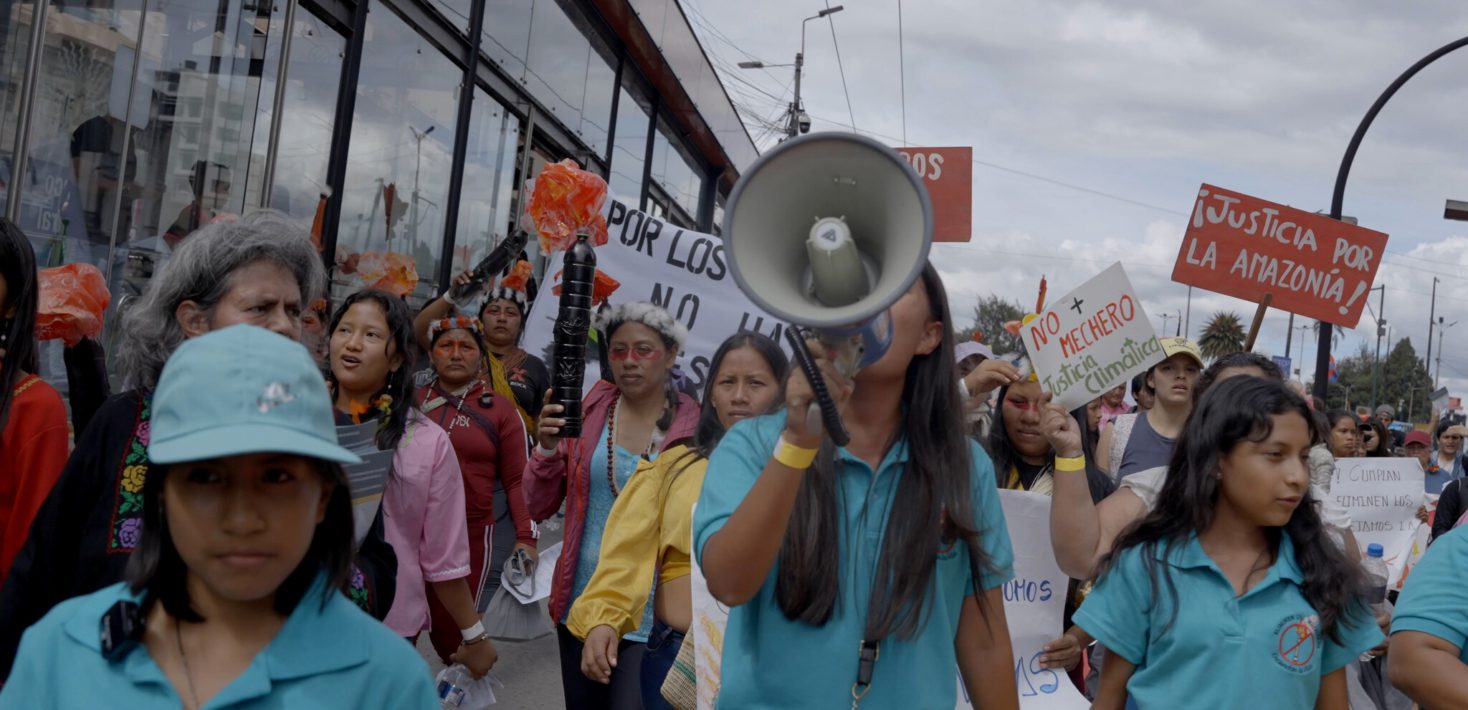
A milestone for climate justice: today the Inter‑American Court of Human Rights delivered its long‑awaited advisory opinion on climate change and human rights, requested by Chile and Colombia in 2023. The Court unanimously confirms that a safe, stable climate is part of the right to a healthy environment protected by the American Convention and that States must take affirmative measures—through laws, policies and ecosystem restoration—to prevent, mitigate and remedy climate harm, both within their borders and extraterritorially.
The opinion goes further than any previous regional or international climate ruling in articulating climate obligations of States under human rights law. It stresses common but differentiated responsibilities, highlights States’ obligations to regulate major emitters and combat disinformation campaigns, and singles out the heightened vulnerability—and corresponding rights—of Indigenous peoples, children and future generations. Moreover, the Court establishes that the obligation not to cause irreversible damage to climate and environment has the character of a peremptory norm of international law.
For courts, legislators and negotiators, this is a transformative interpretive benchmark. It will inform domestic and regional climate litigation, reshape environmental governance across Latin America and the Caribbean, and lend authoritative weight to parallel processes such as the pending International Court of Justice advisory opinion on climate change and the push for greater mitigation ambition and finance at COP 30 in Belém.
As counsel for Vanuatu in these proceedings, I am heartened by the Court’s clarity: human rights law demands decisive climate action, and reparation is due where neglecting this duty has already caused harm. The task for all of us—lawyers, policymakers, scholars and advocates—is to translate today’s jurisprudence into concrete, rights‑based measures that protect people and planet alike.