
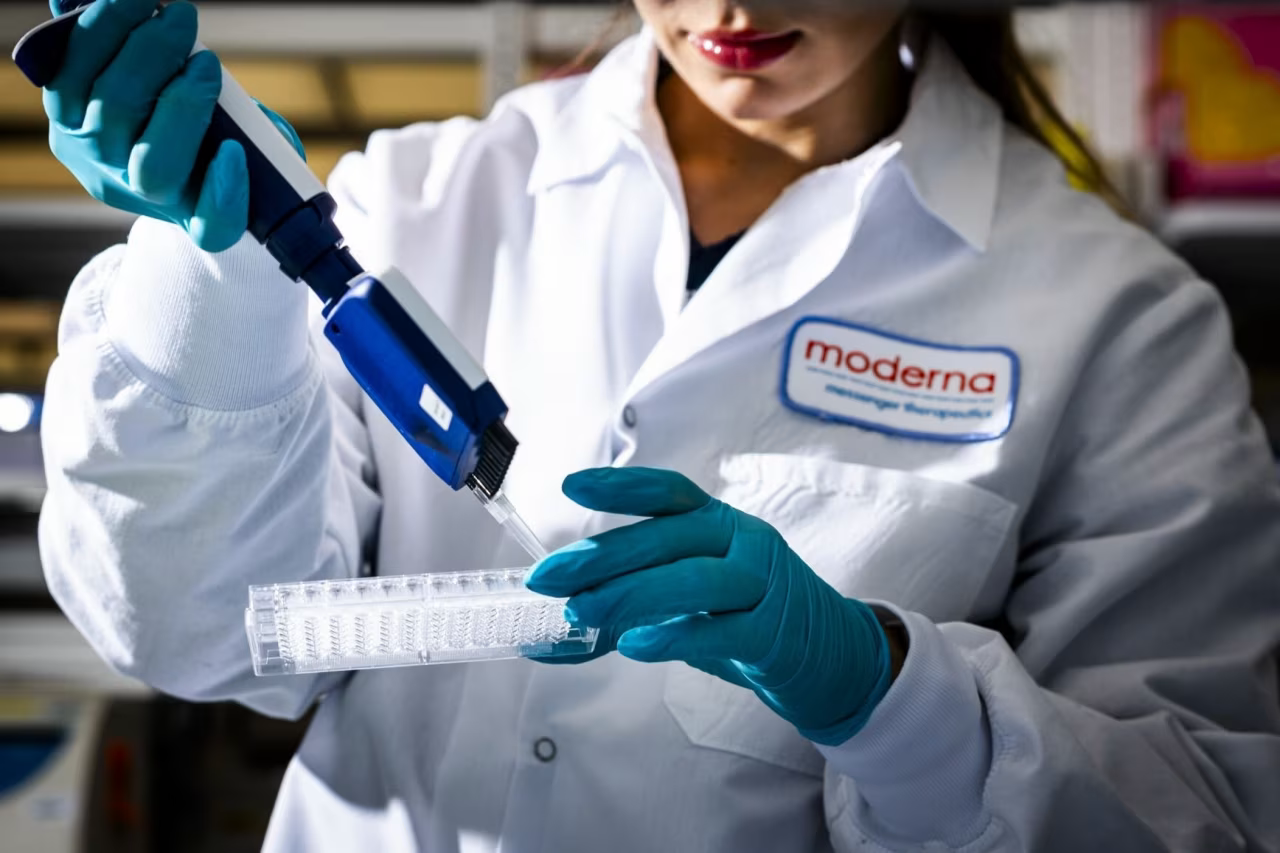
A personalised cancer vaccine developed by Merck and Moderna has shown encouraging results in a phase three trial involving patients with high-risk melanoma. The treatment, known as Intismeran, was administered alongside Keytruda, an immunotherapy drug already used to treat cancer, after patients underwent surgery.
The trial included more than 1,000 people with stage two, three, or four melanoma. According to the companies, patients receiving the combined treatment remained cancer free for longer than those given Keytruda alone. The combination also reduced the risk of melanoma spreading to other organs. However, the companies have not yet established how long the apparent benefit lasts.
Intismeran is designed specifically for each patient. Scientists remove a sample of the person’s tumour, sequence its DNA, and identify mutations in the cancer cells. Using mRNA technology, also employed in some Covid-19 vaccines, they produce a vaccine intended to train the immune system to recognise and attack remaining tumour cells.
Researchers and cancer specialists have described the interim findings as potentially important, while stressing that caution is necessary. Full trial data have not been released or independently peer reviewed, meaning the reported results cannot yet be thoroughly assessed. The treatment would also require regulatory approval and additional review before becoming available through the NHS.
Moderna chief executive Stephane Bancel called the findings a pivotal development in cancer research, and shares in both companies rose following the announcement. Cancer Research UK’s Dr Talisia Quallo said the approach showed promise but required complete evaluation. Oxford oncologist Dr Lennard Lee said the study could provide broader evidence that personalised cancer vaccines can work.
Merck and Moderna are also studying related vaccines for lung, bladder, and kidney cancers. For now, the melanoma results represent a significant but preliminary step in assessing whether personalised vaccines can prevent cancer from returning after surgery.