
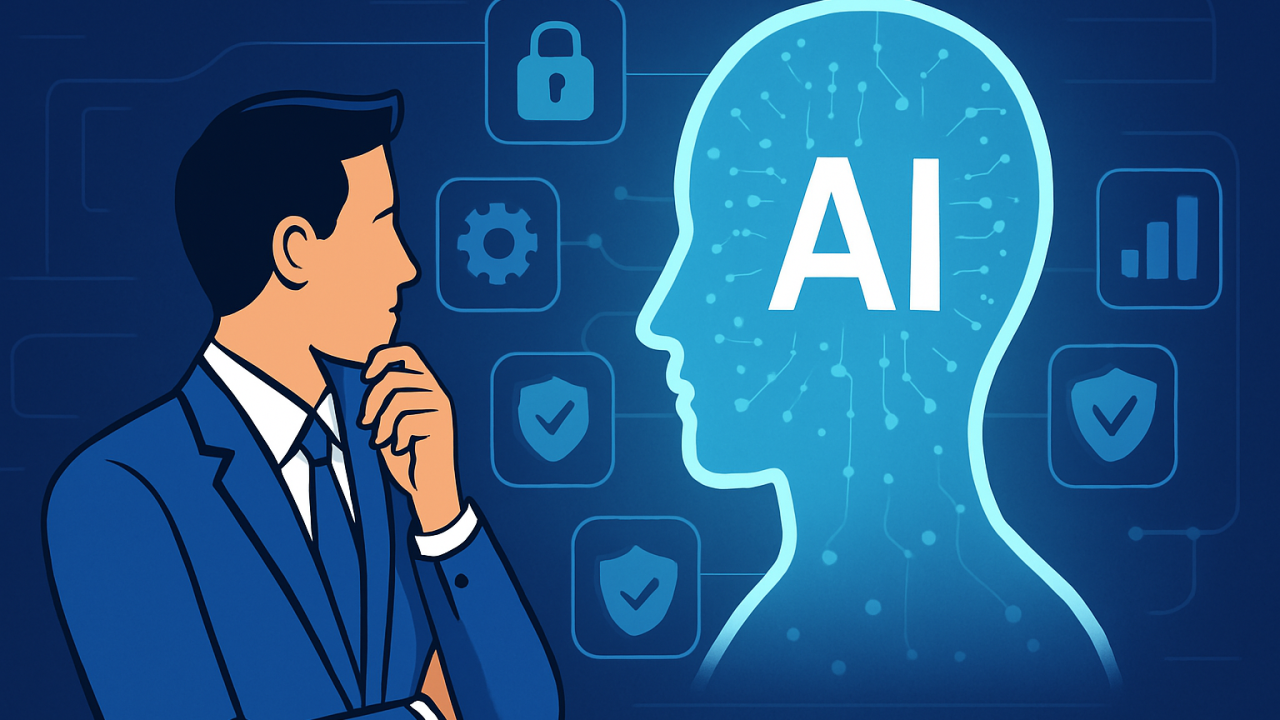
As artificial intelligence (AI) increasingly becomes integrated into daily work environments, a recent study highlights the nuanced impact of AI on workers’ confidence in their own cognitive abilities. Conducted with nearly 2,000 adults in the U.S. and Canada, the research explored how varying engagement with AI tools affected participants’ self-assurance and ownership of their ideas.
The findings revealed a distinct pattern: individuals who heavily relied on AI, particularly those who accepted its outputs without modification, reported diminished confidence in their reasoning capabilities. Conversely, those who actively engaged with the technology—by questioning, editing, or rejecting AI-generated content—experienced increased confidence and a stronger sense of ownership over their work.
This interaction style varied significantly based on the nature of tasks. Participants tended to defer to AI most during planning and complex tasks, while they were more inclined to assert their own judgment in personal or introspective situations. Notably, more experienced workers were also more likely to push back against AI suggestions, suggesting that expertise can foster confidence.
Experts caution against a binary view of AI as detrimental or beneficial. The real variable is how individuals choose to engage with the technology. Passive use of AI may lead to cognitive decline, while proactive interaction can enhance cognitive skills. To maintain intellectual engagement, researchers recommend that users intentionally decide which tasks to handle themselves and actively critique AI outputs. This approach encourages cognitive growth and helps users retain confidence in their own abilities, ultimately allowing AI to serve as a tool rather than a crutch.