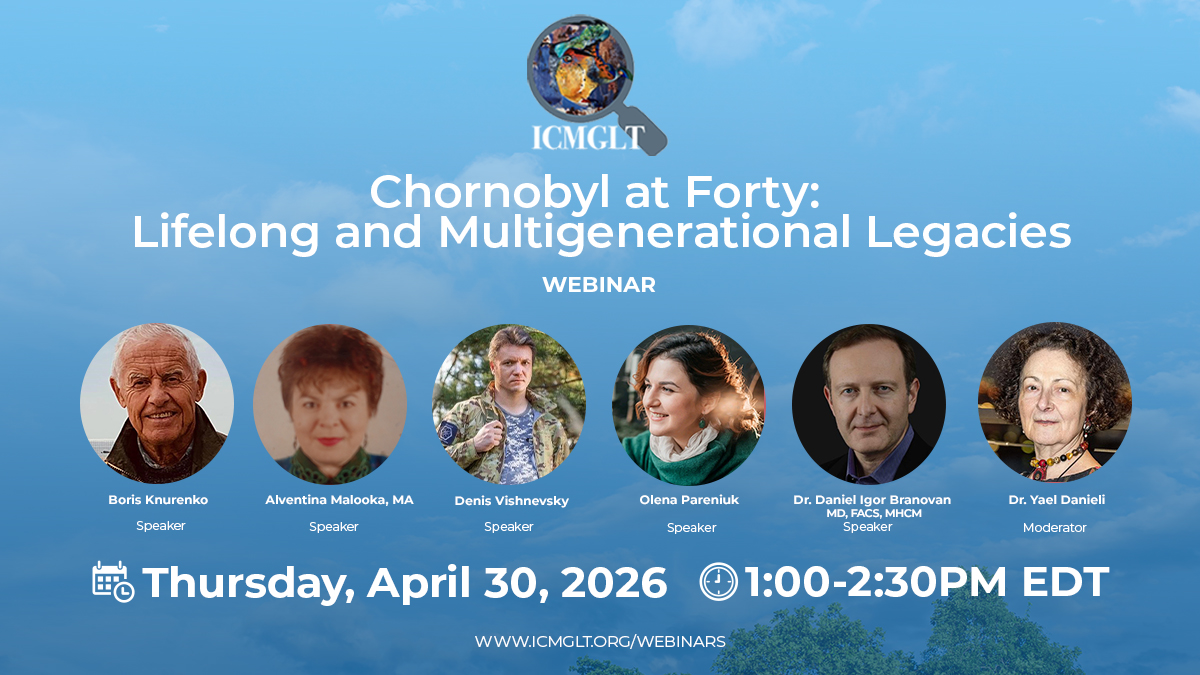
Thursday, April 30, 2026, 1:00–2:30 PM EDT / 10:00–11:30 AM PDT / 11:00 AM–12:30 PM MDT / 12:00–1:30 PM CDT / 1:00–2:30 PM AST / 6:00–7:30 PM BST / 7:00–8:30 PM CAT & CEST / 8:00–9:30 PM EEST
This International Center for the Study, Prevention and Treatment of Multigenerational Legacies of Trauma psychohistorical webinar is held in commemoration of the 40th anniversary of Ukraine’s Chornobyl disaster of 26 April 1986, during the 2026 Review Conference of the Parties to the Treaty on the Non-Proliferation of Nuclear Weapons (27 April to 22 May, at UN Headquarters in New York). Ukrainian and international multidisciplinary experts will share their own experiences, examine cumulative and intergenerational effects of this devastating event and its aftermath and reflect on lessons they have learned. This timely discussion will explore parallels between and meanings of Chornobyl, among other multigenerational past tragedies, and current threats in Ukraine and around the world.
Interpretation will be provided
ENGLISH
UKRAINIAN
Speakers:
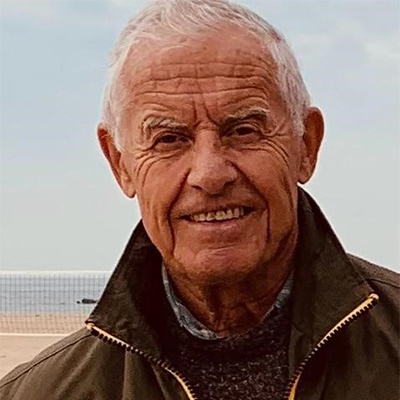
Boris Knurenko
Starting in 1974, Boris Knurenko held several high-level leadership and engineering roles at the Chornobyl Nuclear Power Plant. Notably, he served as Deputy Director of the Chornobyl Nuclear Power Plant, managing evacuations and participating in the subsequent four-year liquidation effort. After further leadership at the Scientific and Technical Center for Nuclear and Radiation Safety, he retired in 1995. He is a widower with two children, five grandchildren, and two great-grandchildren.
Alventina Malooka, MA
Senior engineer of the physical and chemical department of the sanitary and hygienic laboratory of the republican sanitary and epidemiological station of the Ukrainian SSR — later renamed the central sanitary and epidemiological station of health care of Ukraine, transferred on May 3, 1986 to the radiological laboratory to train 30 advanced radiological laboratories, thrice in laboratory #1 in June 1986 to the 30-km Chornobyl zone, adapting submarines devices to determine the radiation level in the environment (objects) and food products, performing radiometric studies for the Ministry of Health and Civil Defense, Alventina earned a Presidium of the Supreme Soviet of the Ukrainian SSR certificate and third-degree disability.
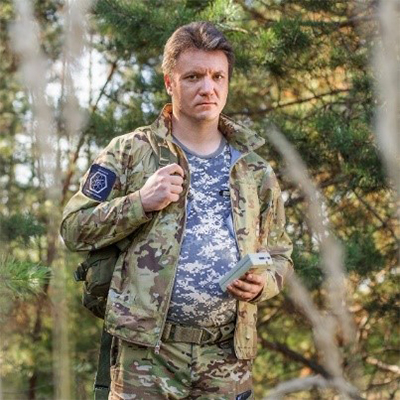
Denis Vishnevsky
A head of the scientific department at the Chornobyl Radiation-Ecological Biosphere Reserve. Working in the Chornobyl Zone of Alienation since 2000, Denis’s research has focused on the redistribution processes of radionuclides in terrestrial and aquatic ecosystems, as well as the organization of scientific studies within the Alienation Zone. His scientific areas of interest include zoology, theriology, radiobiology, and biodiversity.

Olena Pareniuk
A Ukrainian radiobiologist and senior researcher at the Institute for Safety Problems of Nuclear Power Plants (ISP NPP) of the National Academy of Sciences of Ukraine; Project Coordinator for the Territory Prioritization Information Management at the Ministry of Economy of Ukraine. focusing on the impact of microorganisms on the availability and migration of radionuclides on the environment and on revising nuclear safety standards for Russian armed attacks on Ukrainian nuclear facilities, Olena is a member of the European Radioecology Alliance, Nuclear and Radiological Emergency Response and Recovery Platform, and the Radiobiological Society of Ukraine. Co-author of The Terrible, the Beautiful and the Ugly in Chornobyl: From the Disaster to the Laboratory.
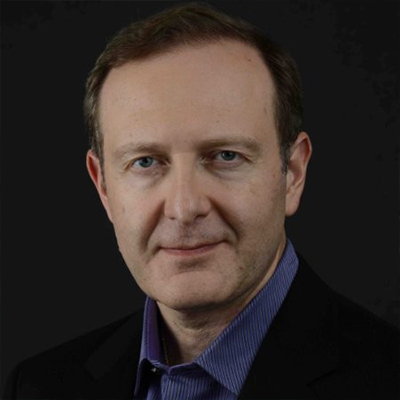
Dr. Daniel Igor Branovan MD, FACS, MHCM
An internationally recognized head and neck surgeon, professor, medical innovator, and healthcare leader for over 25 years, Dr. Daniel Igor Branovan completed his residency in Otolaryngology – Head and Neck Surgery at the renowned New York Eye and Ear Infirmary, where he later held leading positions, including Director of the Division of Sinus Surgery, of the Thyroid Cancer Center, and of Residency Training. Dr. Branovan is the founder and chair of Project Chornobyl — a leading international humanitarian organization providing medical care to victims of the Chornobyl nuclear disaster.
Moderator:
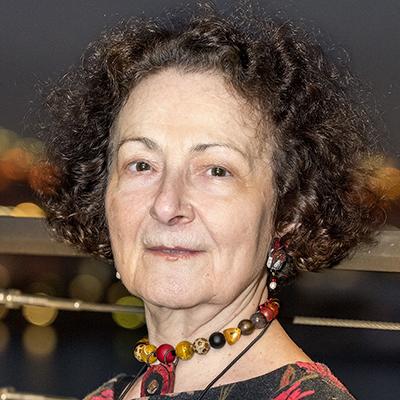
Dr. Yael Danieli
A Clinical psychologist, traumatologist, victimologist and psychohistorian, Dr. Danieli is Founder, Executive Director and Senior Representative to the United Nations of the International Center for MultiGenerational Legacies of Trauma (ICMGLT); Director, Group Project for Holocaust Survivors and their Children and Past-President, International Society for Traumatic Stress Studies.