Securing landscapes for nature, people, and climate through long-term financing, and pitches for solutions for nature were the subject of two side events on 28 October during the 2026 UN Biodiversity Conference (CBD COP 17).
One event considered the benefits of long-term, public-private finance for conservation, as implemented through the Legacy Landscapes Fund (LLF) for area-based conservation.
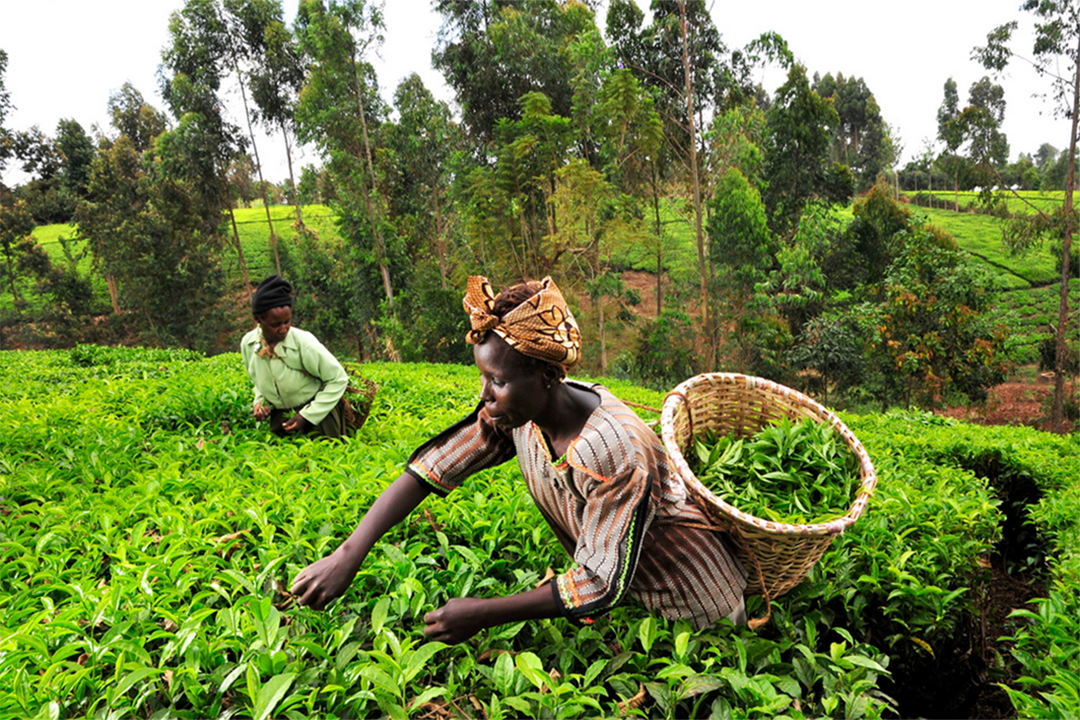
In a keynote address, Carsten Schneider, Federal Minister for the Environment, Climate Action, Nature Conservation and Nuclear Safety, Germany, underlined the need to work with Indigenous Peoples and local communities (IPLCs) and harness their knowledge about nature, drawing attention to Germany’s contribution of USD 300 million to the LLF to protect ten conservation areas in Africa. The LLF, created by Germany and KfW (a German state-owned development bank), covers 16 landscapes in 15 countries, with more than USD 60 million disbursed since 2022.
Enjoying this article? Make sure you always catch our coverage by subscribing to our SDG Update newsletter.
During a high-level panel on finance and partnerships for effective conservation, speakers called attention to the Africa Keystone Protected Areas Partnership, which covers 162 of the 9,000 protected areas (PAs) in Africa. They said African governments must share in the financing load and be accountable for the conservation funding they receive. One speaker highlighted that long-term financing must include stable programme teams on the ground who can monitor deforestation, prevent human-wildlife conflicts, and enhance livelihoods.
In the ensuing discussion, participants addressed how to build out Indigenous-led financing institutions. Speakers mentioned: the International Union for Conservation of Nature’s (IUCN) Podong Indigenous Peoples’ Initiative; reporting requirements related to funding; a new field assessment system run by PA managers as a form of direct reporting; and the potential to scale the LLF to USD 10 billion to help close the financial gap.
The event was organized by the Government of Germany, the LLF, and the IUCN.
Another event consisted of a series of pitches of potential community-led solutions to a biodiversity-related challenge or gap. The event was organized by the Global Environment Facility’s (GEF) Civil Society Organization (CSO) Network, which aims to ensure voices of women, youth, and IPLCs are amplified globally for countries to effectively allocate financing for their community-led activities.
Sagar Aryal, Vice Chair and Head of Policy, GEF CSO Network, drew attention to the fact that only 6% of the GEF’s ninth replenishment (GEF-9) goes directly to CSOs, IPLCs, women, and youth. He called for more biodiversity finance that is easily accessible to civil society.
A representative of Young Professionals for Agricultural Development (YPARD) pitched paid fellowships for young people in agriculture. Calling attention to YPARD’s Holistic Fellowship Programme, he highlighted that, in its first cycle in 2025, the Programme provided six young Africans access to finance for their agriculture- and agroecology-related activities.
A speaker highlighted an initiative in Nepal, which focuses on the intersection between the climate crisis, biodiversity, and mental health, underscoring the need for integrating mindfulness and ecotherapy in rebuilding the human-nature connection.
Another presenter outlined direct funding models for IPLCs, underlining their role in the management of community-conserved areas and in achieving specific targets under the Kunming-Montreal Global Biodiversity Framework (GBF). She mentioned an existing direct funding model in the Republic of the Congo to support accountability and transparency in biodiversity funds management and requested feedback on how to make direct funding models operational.
A representative from the Plant-for-the-Planet Foundation highlighted a restoration platform that serves forest restoration organizations worldwide by mapping and sharing their work and providing free advisory services, noting that the Foundation supports 300 forest restoration organizations in 70 countries.
One speaker mentioned: the iNaturalist app, which powers citizen science and influences policymaking; participation in a city-nature challenge, powered by school children and local communities across India; the fact that 60% of the Global Biodiversity Information Facility (GBIF) is powered by citizen science; and the need for partner support in organizing the first Asian Citizen Science Conference in 2027.
Participants also highlighted the Biodiversity Youth Negotiators Programme, which aims to ensure young negotiators can fully represent their countries at meetings of the Conference of the Parties (COPs).
CBD COP 17 convened in Yerevan, Armenia, from 19-30 October 2026.