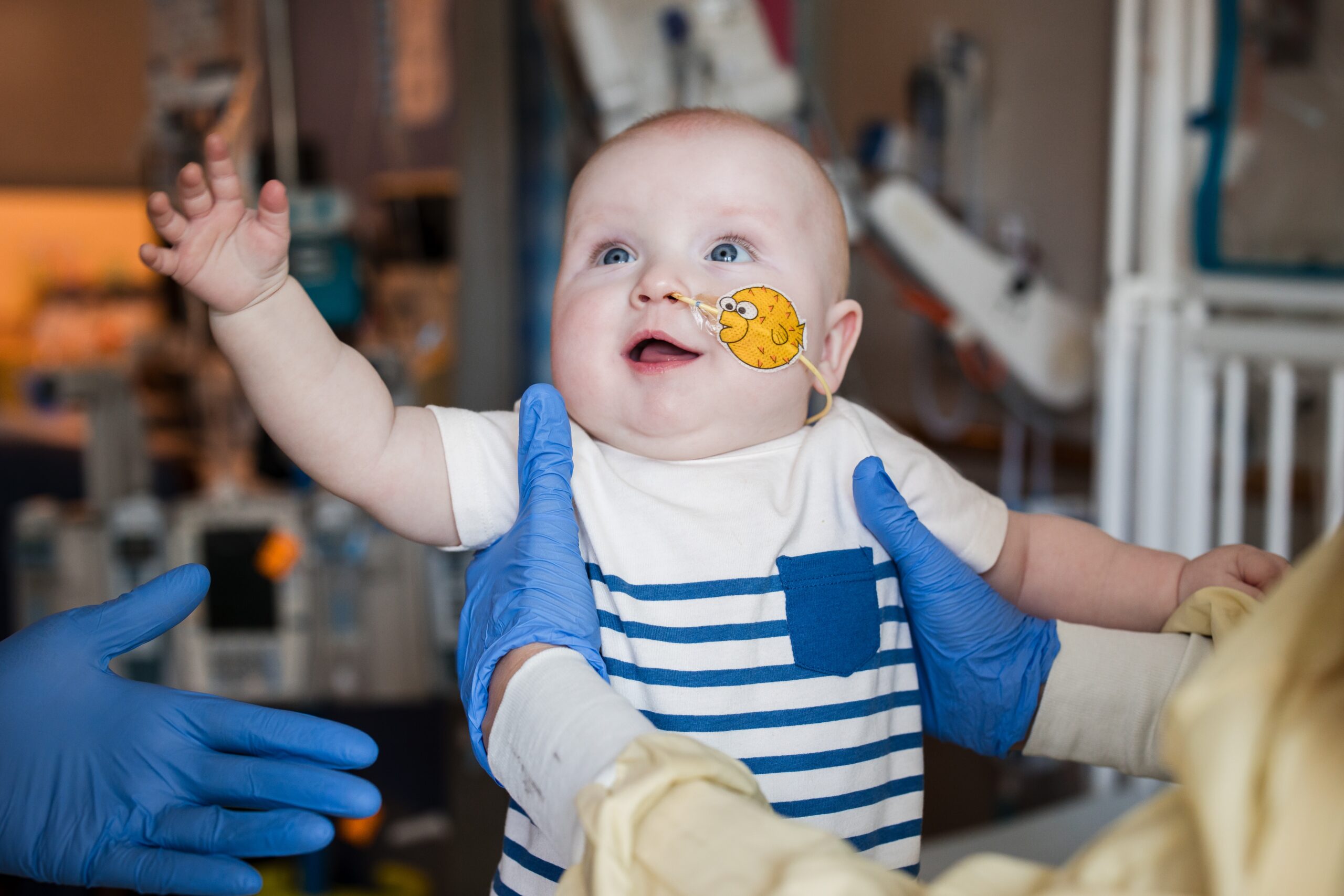
As advancements in newborn screening and rapid DNA sequencing become standard practice, the potential for early intervention in inherited diseases is expanding. Recent studies illustrate the efficacy of therapies aimed at treating genetic disorders in infants. A notable case published in Nature Medicinedemonstrated that a premature infant with a severe genetic epilepsy syndrome experienced a 60% reduction in life-threatening seizures following an experimental treatment.
This marks the beginning of a two-part series exploring how inherited defects can be addressed before and immediately after birth. Current medical practices enable the detection of genetic disorders through noninvasive methods, such as maternal blood tests during pregnancy and newborn heel prick tests. These techniques utilize advanced genetic sequencing to identify a wide array of inherited conditions, facilitated by artificial intelligence.
In the highlighted case, rapid genome sequencing identified a mutation responsible for a rare epilepsy form, leading to targeted treatment that significantly reduced seizure frequency. Despite the therapy’s initial success, challenges such as optimal dosing and the long-term effects of treatment on developing brains remain.
The implications of these breakthroughs extend beyond individual cases, representing a significant shift in medical approaches to inherited diseases. While current therapies focus on somatic cells, the possibility of developing heritable treatments raises both hope and ethical considerations.
As technology continues to improve and costs decrease, widespread DNA sequencing of newborns may soon become a norm, allowing for timely, targeted interventions. This evolution in medical practice holds the promise of reshaping healthcare and improving quality of life for those affected by genetic disorders. Future discussions will address the potential for prenatal gene therapies and their impact on inherited diseases.