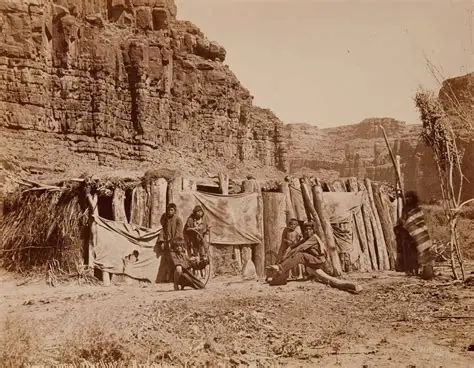
In the early 1990s, the Havasupai Tribe; who live in and around the Grand Canyon and face very high rates of Type 2 diabetes; approached an Arizona State University researcher they trusted to help them understand whether there was a genetic link driving the disease in their community.
About 400 tribal members gave blood under the impression it would be used only to study diabetes, signing broad English‑language consent forms that most, as second‑language speakers without advanced schooling, reasonably understood as limited to that single purpose.
When the study didn’t find a strong genetic link, the research didn’t end. Those same samples were reused and shared for new projects on schizophrenia, inbreeding, and human migration; topics the tribe had never agreed to and that clashed with Havasupai beliefs about identity, ancestry, and personhood.
In 2003, tribal member and advocate Carletta Tilousi discovered the additional studies and informed her community. The tribe issued a banishment order against the researchers and, in 2004, filed Havasupai Tribe v. Arizona Board of Regents, alleging misuse of DNA, lack of informed consent, invasion of privacy, emotional distress, and violation of civil and cultural rights.
A 2010 settlement returned the blood samples, provided a list of where they had gone, committed ASU to certain support for Havasupai education and health; and included $700,000 in compensation. For the tribe, getting their relatives’ blood back mattered even more than the money.
The case didn’t create a formal legal rule on secondary use of biospecimens, but it changed the conversation. It exposed how “broad consent” can be used against communities who don’t fully see how far genetic data can travel, deepened Native distrust of medical research, and pushed institutions and ethics boards to take cultural harms and Indigenous governance seriously when designing studies.
The Havasupai story is an example that, for Indigenous communities, protecting body, land, and story are all part of the same fight.