Cyclosporiasis Cases Rise Across U.S.; Officials Emphasize Food Safety Steps
Nearly 7,000 cases of cyclosporiasis, a food-borne parasitic illness, have been reported across the United States, according to NBC News and data from the Centers for Disease Control and Prevention. The CDC has identified cases in at least 34 states. The infection is caused by consuming food or water contaminated with the Cyclospora parasite.
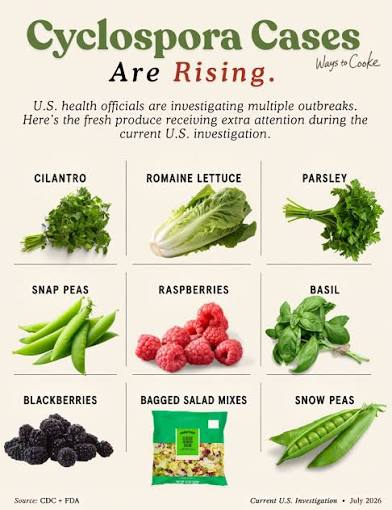
Health officials say many U.S. cases have historically been linked to fresh produce, including lettuce, cilantro, basil and raspberries. In the current outbreak, lettuce and salad greens are being examined as possible sources, though investigators have not identified a specific supplier or ruled out other foods.
Symptoms usually begin about one week after exposure, but may appear anywhere from two days to two weeks later. Common symptoms include fatigue, nausea, abdominal cramping and watery diarrhea. Unlike many gastrointestinal illnesses, diarrhea caused by cyclosporiasis can last for weeks or months and may improve before returning.
Public health guidance emphasizes prevention rather than avoiding produce altogether. Cooking produce to 158 degrees Fahrenheit can kill the parasite. Washing fruits and vegetables under running water and scrubbing them with a clean brush may not kill Cyclospora, but can remove a substantial amount of contamination. Handwashing with soap for at least 20 seconds before preparing food, before eating and after using the bathroom can also reduce risk. Refrigerating produce after purchase may help prevent the parasite from becoming infectious.
Experts note that fruits and vegetables remain an important part of a healthy diet, and most consumers will not become infected from grocery store produce. Standard food safety practices are considered the main recommendation.
People with diarrhea lasting more than three days are advised to contact a health care provider and ask about testing for cyclosporiasis. Severe diarrhea can lead to dehydration and may require emergency care. Children, older adults, pregnant people and those with weakened immune systems should seek medical advice if symptoms develop.