By Halycon Westmaas
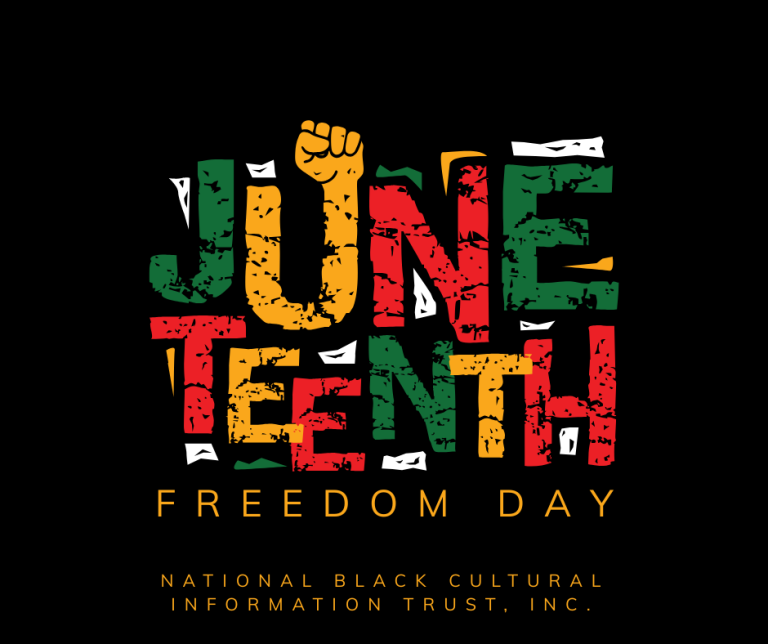
Juneteenth (June 19, 1865) marked the delayed liberation of the last enslaved Black people in Galveston, Texas, over two years after the Emancipation Proclamation. Though African Americans have commemorated this date for over a century, it became an official national U.S. holiday in 2021 – marking the end of slavery in the United States of America. Juneteenth is a time for people of African descent to not only celebrate freedom but also to use the occasion as an opportunity to educate the younger generation about our incredible history and cultural identities, especially now since the very foundation of our rich Black History in schools and community is under assault. Black History is intrinsically linked to the stories of our enslaved ancestors and generations who lived through that struggle. Juneteenth is an opportunity to understand better the roots of systemic racism and how it continues to shape our present.
Black History, as we know it, especially for our youth, must not be reduced to a collection of distant, painful past events. Juneteenth is not just a simple date recognized on the calendar; it’s more of a call to reflection, resistance, and renewal. It’s a reminder of the ongoing struggles of Black folks. In today’s climate, the current backlash against racial justice efforts, attacks on voting rights, book bans, and efforts to rewrite school curricula aren’t isolated events; they’re part of a broader campaign to silence and distort the truth. The aim is to diminish Black contributions.
Paradoxically, Juneteenth is a time to celebrate and a moment for reckoning. It marks a significant turning point in American History, but it also calls on us to consider where we are now and how we move forward. If you’re looking for a place to start that reflection, I’d recommend Black AF History: The Unwhitewashed Story of America by Michael Harriot (2023). It’s an engaging, well-written book that unpacks U.S. history without relying on dense academic language. Harriot makes complex ideas accessible, offering a clear-eyed look at the past that’s as thought-provoking as it is readable.
Celebrating the historical significance of Juneteenth could not come at a more compelling time. Before President Biden signed into law the Juneteenth National Independence Day Act in 2021, only a fraction of U.S. states were involved in formally acknowledging the celebrations.
Let’s mark this year’s holiday celebrating Juneteenth, the center of conversations at our community gatherings, kitchen tables, and social events. Let’s share and enjoy relishing the dishes our ancestors experienced. Let’s exercise and embrace our freedom from slavery as we prepare dishes that connect our culinary traditions with our brothers and sisters in the Americas and across the African diaspora. Let’s sit around the dining table and share stories that reflect on our nation’s past and present, as food is a form of resistance. Let’s reflect on how we overcame bondage and how our people survived while fighting Jim Crow in the dark days that some are hell-bent on reconstituting. Let us accept that we are resilient people with a rich history who are proud, confident, and strong. Let us keep the good fight alive in the face of growing modern-day oppression to achieve complete freedom. Let’s celebrate our griots. Let’s celebrate ourselves in active ways.
Happy Juneteenth!
Sesame Street Celebrates Juneteenth
A joyful, 2-minute musical celebration by Elmo, Gordon, and Gabrielle teaching kids about Juneteenth through song and simple storytelling—part of Sesame Street’s “Power of We Club” series
Celebrating Juneteenth: American History for Kids
Kid-friendly educational video featuring puppets and storytelling that explain Juneteenth’s history, significance, and traditions in an engaging, easy-to-understand format .
Source: https://nbcit.org/juneteenth-a-legacy-of-freedom-culture-resistance/