
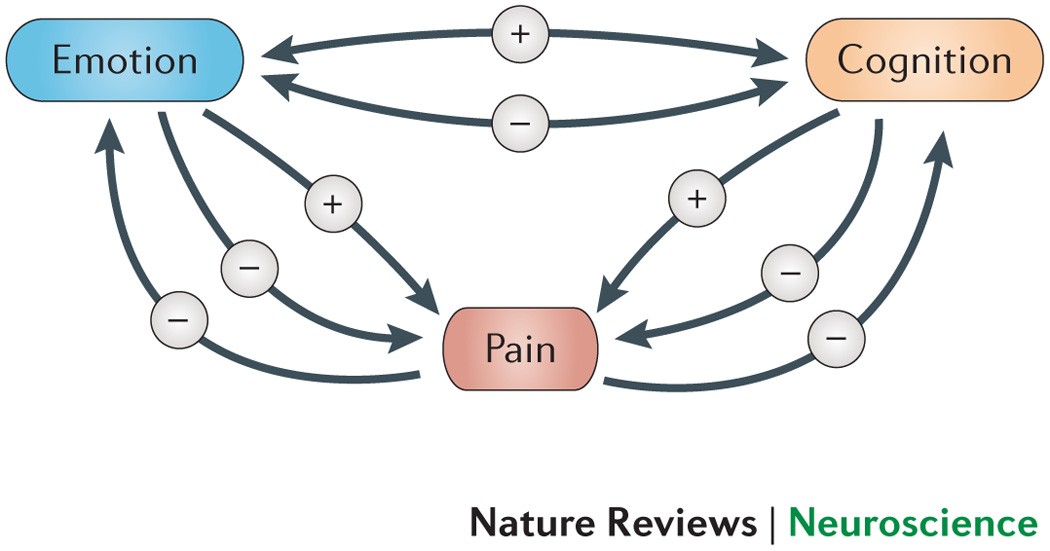
A recent study suggests that a specific type of cognitive behavioral therapy (CBT) focusing on mindfulness and distress tolerance may provide relief for individuals suffering from chronic pain. Chronic pain often involves not only physical discomfort but also heightened emotional distress, such as anxiety and depression, which can exacerbate the pain experience. Research led by Nell Norman-Nott from the University of New South Wales indicates that up to 80% of those with chronic pain experience these emotional challenges.
To investigate potential solutions, Norman-Nott and her team employed a dialectical behavior therapy-based program aimed at enhancing emotional regulation and mindfulness skills. The study involved 89 participants with an average of 16 years dealing with chronic pain. They were randomly assigned to either the eight-week online therapy program or to continue their existing treatments, such as medication or physiotherapy.
Results showed that participants who engaged in the therapy exhibited significant improvements in emotional regulation and reported reductions in pain intensity over time. Specifically, after nine weeks, those in the therapy group had a higher emotional regulation score and, by the sixth month, reported considerably less pain compared to those who did not participate in the program.
Benedict Alter, a researcher at the University of Pittsburgh, noted the potential benefits of this online therapy format, particularly for individuals with limited access to in-person treatment options. While the exact mechanisms through which the therapy alleviates pain remain unclear, Alter suggests that improved emotional regulation may contribute to better overall well-being and decreased pain perception. Further research is anticipated to explore these findings in larger populations.