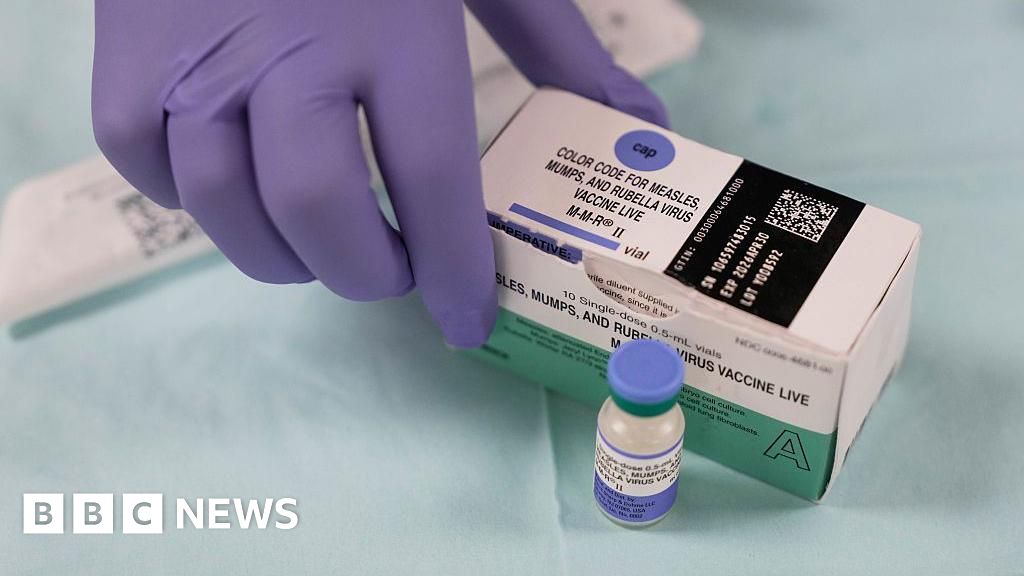
The United States is experiencing a significant resurgence of measles, with 1,288 confirmed cases reported this year, marking the highest number since 1992. This spike has prompted public health experts to raise concerns about potential increases in other vaccine-preventable diseases, given that the country had previously declared measles eliminated in 2000.
Data from the U.S. Centers for Disease Control and Prevention (CDC) indicates that 92% of the measles cases this year involved unvaccinated individuals or those with unknown vaccination status. Experts attribute the rise in cases to declining vaccination rates, which have fallen to 92.7% among kindergartners for the 2023-2024 school year—below the 95% threshold necessary for herd immunity.
Public health professionals, including epidemiologist Katelyn Jetelina, have expressed concern that the decline in vaccination rates could lead to a resurgence of other diseases, such as mumps and rubella. Michael Osterholm, director of the Center for Infectious Disease Research and Policy, also notes the potential for an increase in whooping cough cases, which have already been rising.
Factors contributing to decreased vaccination rates include growing vaccine hesitancy, exacerbated by misinformation surrounding vaccines during the COVID-19 pandemic. Recent changes to the CDC’s vaccine advisory committee, including appointments of individuals with vaccine-skeptical views, have further fueled these concerns.
Experts emphasize that the measles outbreak is indicative of broader issues related to public health trust and collective responsibility. They warn that a continued decline in vaccinations could lead to serious health consequences across multiple infectious diseases, signaling a need for renewed public health efforts and education regarding the importance of immunization.