
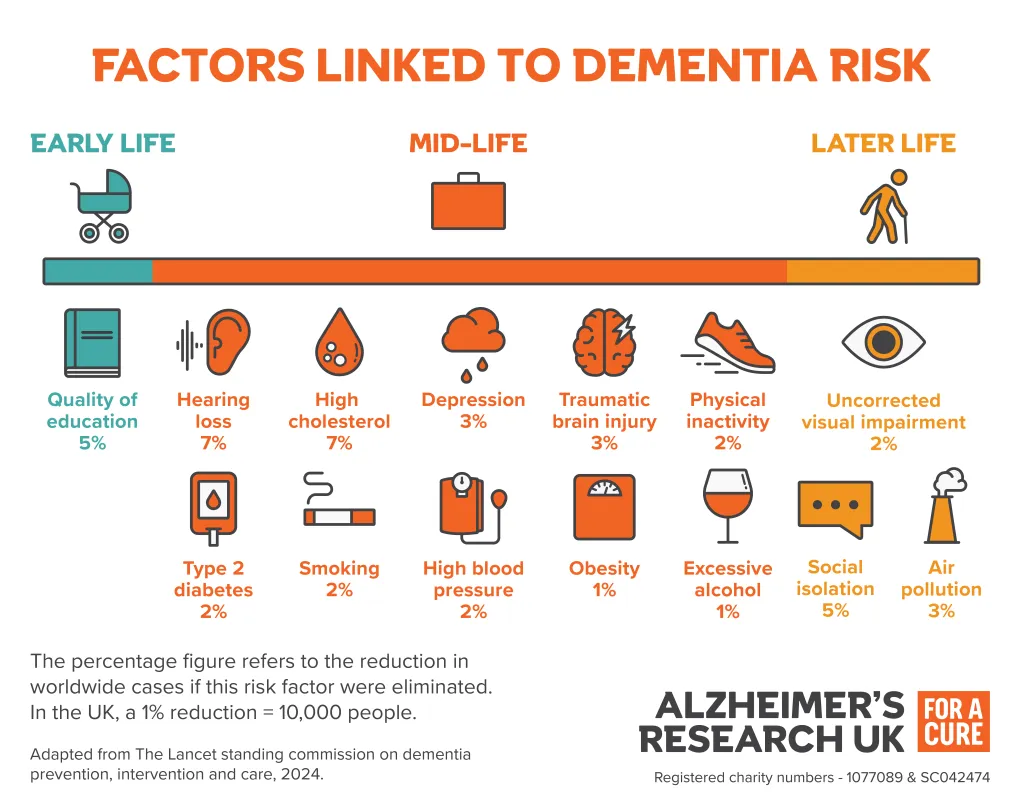
Recent advances in dementia research have led to significant developments, particularly in the diagnosis and understanding of Alzheimer’s disease. A new blood test reportedly diagnoses Alzheimer’s with an accuracy rate of 90%. Moreover, researchers have identified additional lifestyle-related risk factors that contribute to dementia.
In a 2024 report published by The Lancet, researchers have added high cholesterol after age 40 and untreated vision loss to the list of modifiable risk factors. This expands the original list of twelve established factors, which include physical inactivity, smoking, excessive alcohol consumption, air pollution, head injury, infrequent social contact, low education levels, obesity, hypertension, diabetes, depression, and hearing impairment. Collectively, these factors account for approximately 49% of dementia cases globally.
Dr. Arman Fesharaki-Zadeh, a behavioral neurologist, emphasizes the interconnectedness of these risk factors. Vision loss, for instance, is often linked to metabolic conditions such as high blood pressure and diabetes, which may hinder cognitive engagement through activities like reading and socializing that are beneficial for brain health.
The report suggests that managing high cholesterol and vision impairment is critical for reducing dementia risk. Fesharaki-Zadeh advocates for a collaborative approach between primary care physicians and specialists to monitor and address these risk factors proactively.
Furthermore, he notes that early intervention can significantly impact the progression of dementia. While some dementia cases are attributed to genetic factors, lifestyle modifications can still offer benefits for individuals diagnosed with cognitive impairments. The research underscores the potential for prevention and the importance of maintaining overall health throughout one’s life.