The conviction and sentencing of Serena Tobaccojuice is one of the most troubling illustrations of how Canada’s criminal legal and penal systems persistently fail Indigenous women and girls.
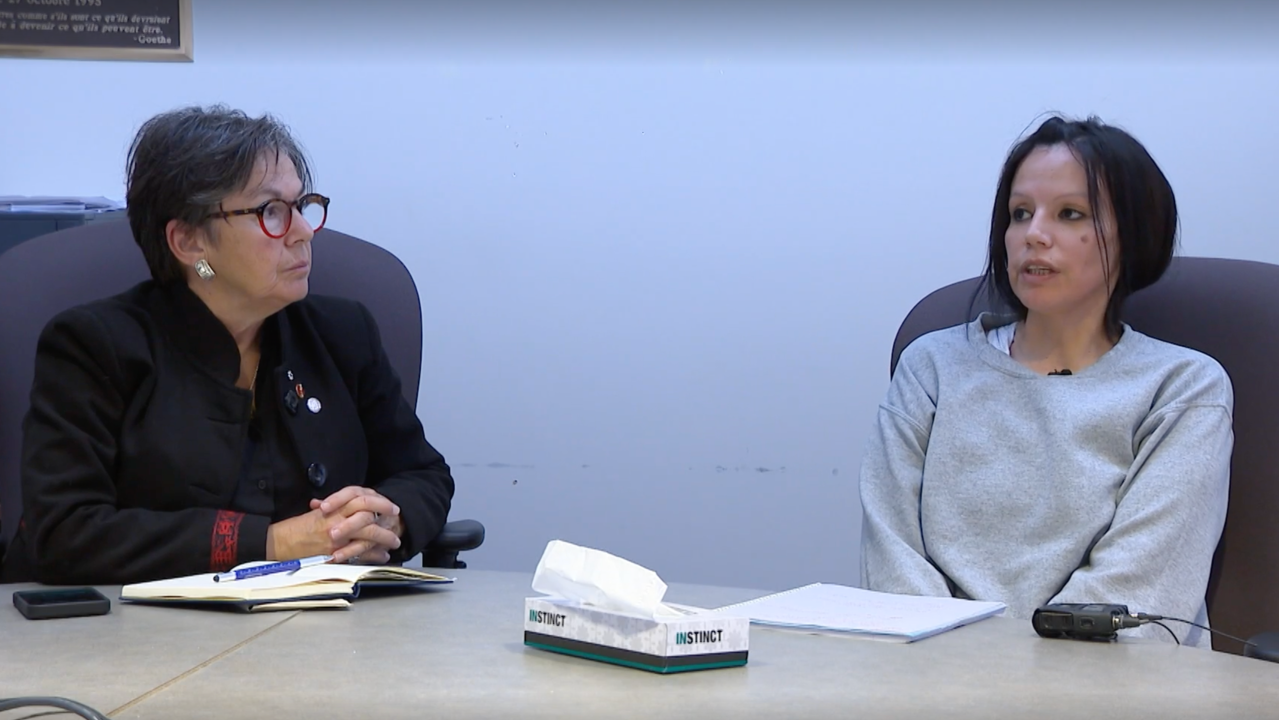
Serena, incarcerated since the age of 15. Nearly 30 years later, she remains in federal custody. Her recent guilty plea, stemming from an 18-minute incident at Nova Institution for Women that most staff believed would be dismissed as trivial, cannot be understood in isolation. It must be understood in the context of the profound trauma she has endured, the lack of meaningful avenues for prisoners to receive assistance, much less raise grievances, the absence of remedies for prisoners to address unlawful and inhumane treatment by staff, and the systemic discrimination embedded throughout Canada’s criminal legal system.
I have known Serena since she was a teenager. Over these decades, I have witnessed the horrific treatment she has endured at the hands of the state. She has survived conditions of confinement that too many others have not. LikeTona, Serena has been subjected to years of torturous isolation and solitary confinement, repeated transfers, caging, body chains, shackling, forced sedation, and, against all legal and medical guidelines, the use of gas and pepper spray—often, as the video evidence before the court showed, deployed directly into her face. Her access to treatment, culturally grounded programming, and supportive care has been scarce, inconsistent, and largely inaccessible. These are conditions no child – nor any adult – should ever be made to endure.
Serena’s life story reflects the intergenerational impacts of colonialism, racism and disconnection from culture via residential schools and state-sanctioned abuse in the child-welfare-to-prison pipeline. The violence, exploitation, and neglect she faced as a child, particularly in foster care, created the conditions for further victimization and criminalization within the criminal legal system.
Tragically, in the way Serena was dealt with, the system once again missed an opportunity to confront and correct the lack of viable mechanisms for prisoners to raise concerns about inhumane, punitive, and unlawful practices. Serena’s lived experiences to date–and the unwillingness or perceived inability of current actors to adequately address and redress gross injustices–raises a hard but vital question: How many more Indigenous women are serving life sentences in conditions that deepen trauma rather than heal it, and escalate and entrench rather than prevent, stop, and remedy discrimination and injustice?
We owe it to Serena, and every person whose life has been irreparably harmed by the very systems that were supposed to protect and support them, to demand better.
Source: https://www.linkedin.com/pulse/serenas-story-kim-pate-asrce/?trackingId=hNHNAqLzQDi43TgaydVQAA%3D%3D