On the morning of 3 August 2014, ISIL entered Sinjar. What followed has since been recognised — in both law and memory — as genocide.
Entire villages were emptied. Men and boys were executed. Women and girls were taken into captivity. Thousands died on the mountain.
More than a decade has passed. Most of the displaced remain in camps. Many survivors are still unheard. The land bears the imprint of what took place.
At the United Nations Investigative Team to Promote Accountability for Crimes Committed by Da’esh/ISIL (UNITAD), we worked with Iraqi and international colleagues to understand what happened — to trace the crimes, map the evidence, and help prepare a case that could stand before a court. The attached report is the public record of that work.
It concludes that ISIL conducted a deliberate campaign of violence against the Yazidis: targeted killings, forced religious conversions, sexual slavery, recruitment of children, and the destruction of cultural and religious heritage. These acts were structured, authorised, and documented — in speeches, orders, and internal communications.
The report outlines how these actions meet the threshold of genocide under international law. It also sets out the legal basis for prosecution: the available evidence, applicable charges, and relevant standards.
A number of prosecutions have since taken place — notably in Germany under universal jurisdiction. Others are ongoing. But many remain untried.
UNITAD’s mandate concluded in 2024. The future of the accountability process will depend on the use of the evidence now in national and international hands.
The Yazidis have endured repeated cycles of persecution. This time, at least, there is documentation — detailed, verified, admissible. That is not justice. But it is a beginning.
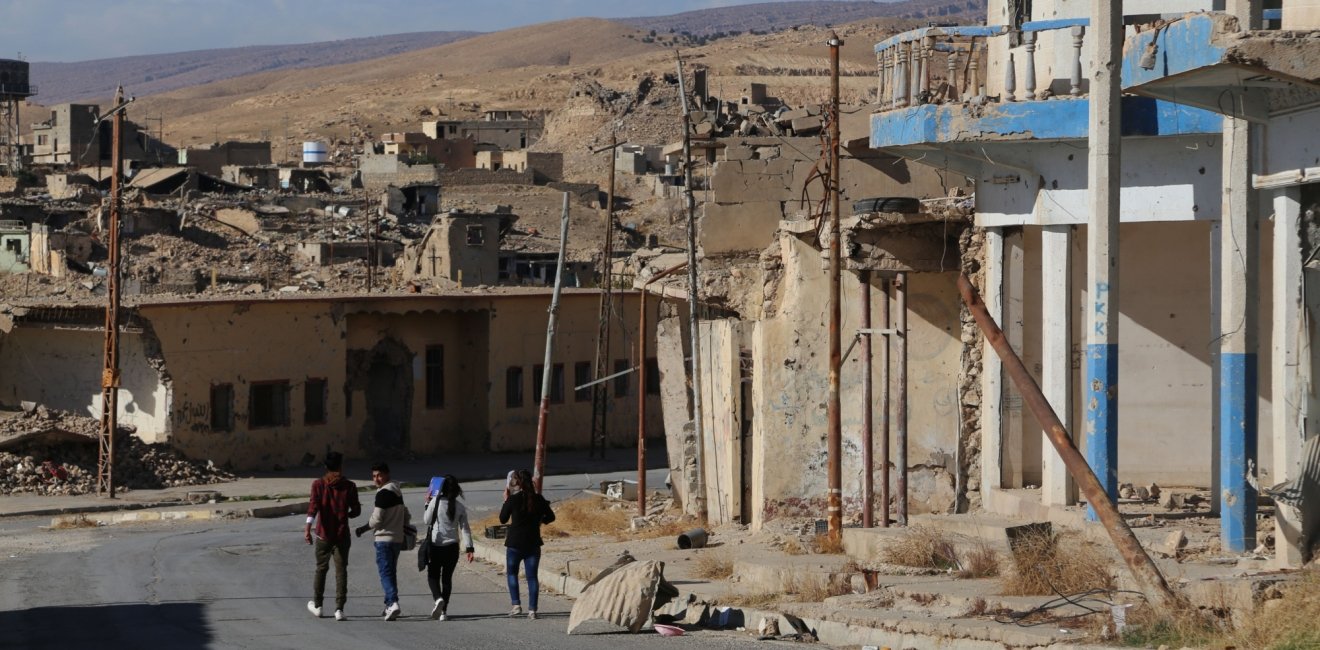
Sinjar, remembered
You Might Also Like
Association of Prenatal Alcohol Exposure With Psychological, Behavioral, and Neurodevelopmental Outcomes in Children From the Adolescent Brain Cognitive Development Study

How doulas help combat racial disparities in maternal health