
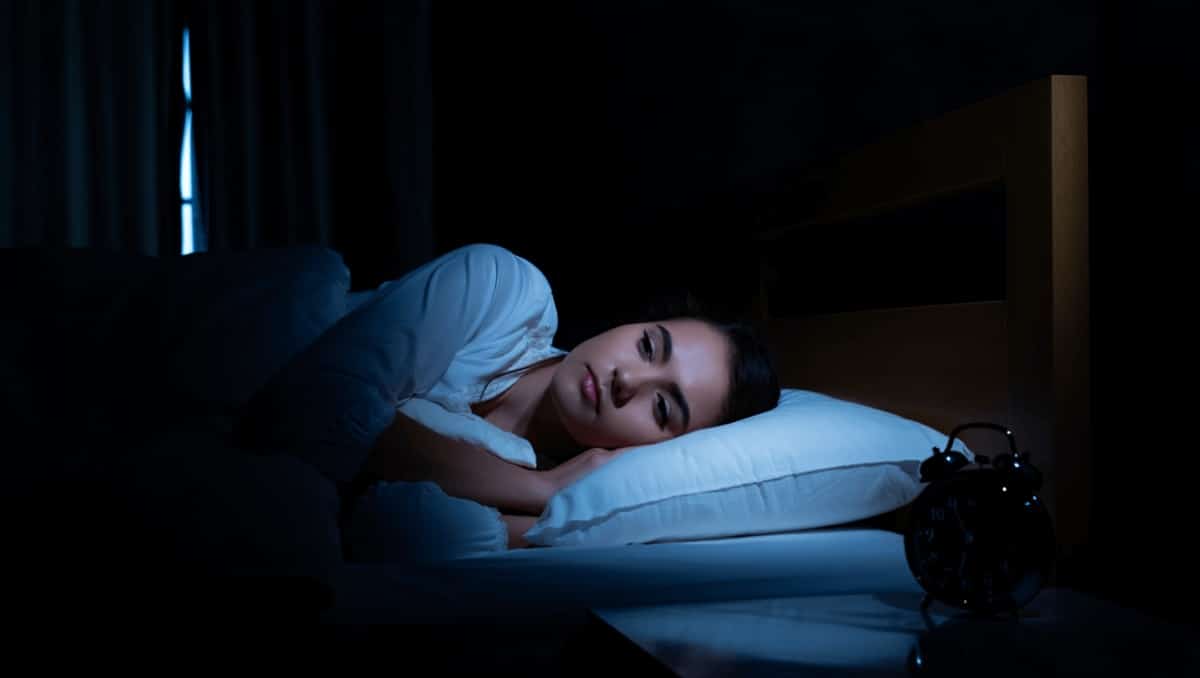
A recent study has highlighted potential health risks associated with sleeping in environments exposed to light. Researchers found that exposure to light during sleep may contribute to cardiovascular disease through mechanisms such as brain stress and arterial inflammation. The study involved 466 adults who underwent brain imaging scans and had their home lighting conditions assessed using satellite data. Over a decade, it was observed that 17% of participants developed major cardiovascular issues, with increased light exposure correlating with heightened risks of heart attacks and strokes.
Specifically, each standard deviation increase in artificial light at night (LAN) was linked to a 35% higher likelihood of heart attacks within five years and a 22% increased risk over ten years. Individuals living in areas with additional environmental stressors, such as noise and low income, faced an even greater risk.
Experts in the field have reinforced the study’s findings, noting that both animal and human research suggests that LAN can disrupt neurophysiological functions, impairing metabolism and increasing inflammation. This disruption is believed to be a significant factor in the development of heart disease.
To promote a healthier sleeping environment, recommendations include using blackout curtains, sealing gaps in doors to minimize light entry, and wearing sleep masks. Additionally, switching to motion-sensing nightlights can reduce unnecessary light exposure.
Overall, the study adds to the growing body of evidence advocating for darker sleeping conditions to enhance cardiovascular health and overall well-being.