
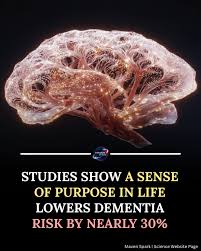
Dementia, affecting approximately 7 million individuals in the U.S., presents significant challenges not only to those diagnosed but also to their families. Symptoms such as memory loss, speech difficulties, and mood changes can lead to a substantial emotional and logistical burden. As awareness about dementia grows, researchers continue to explore factors that may lower the risk of developing cognitive impairments.
A recent study published in the American Journal of Geriatric Psychiatryhighlights a potential protective factor: a sense of purpose. This long-term study tracked over 13,000 adults aged 45 and older for up to 15 years, revealing that those with a stronger sense of purpose were around 28% less likely to experience cognitive decline, including dementia. However, experts caution that this finding illustrates correlation rather than causation, meaning that while a sense of purpose may be linked to lower dementia risk, it is unclear whether it directly contributes to it or if the relationship is more complex.
Experts suggest that having a sense of purpose can encourage healthier behaviors, such as increased physical activity and social engagement, which are known to support cognitive health. Dr. George Hennawi emphasizes that a sense of purpose may foster resilience against stress and reduce feelings of loneliness, both of which are beneficial for mental well-being.
To cultivate a sense of purpose, individuals are encouraged to remain open-minded and explore new interests. Activities such as reading, engaging in arts and crafts, or participating in community events can enhance one’s sense of fulfillment. While the pursuit of purpose may seem daunting, it can be approached through smaller, manageable steps that align with personal interests and values, potentially contributing to better cognitive health.