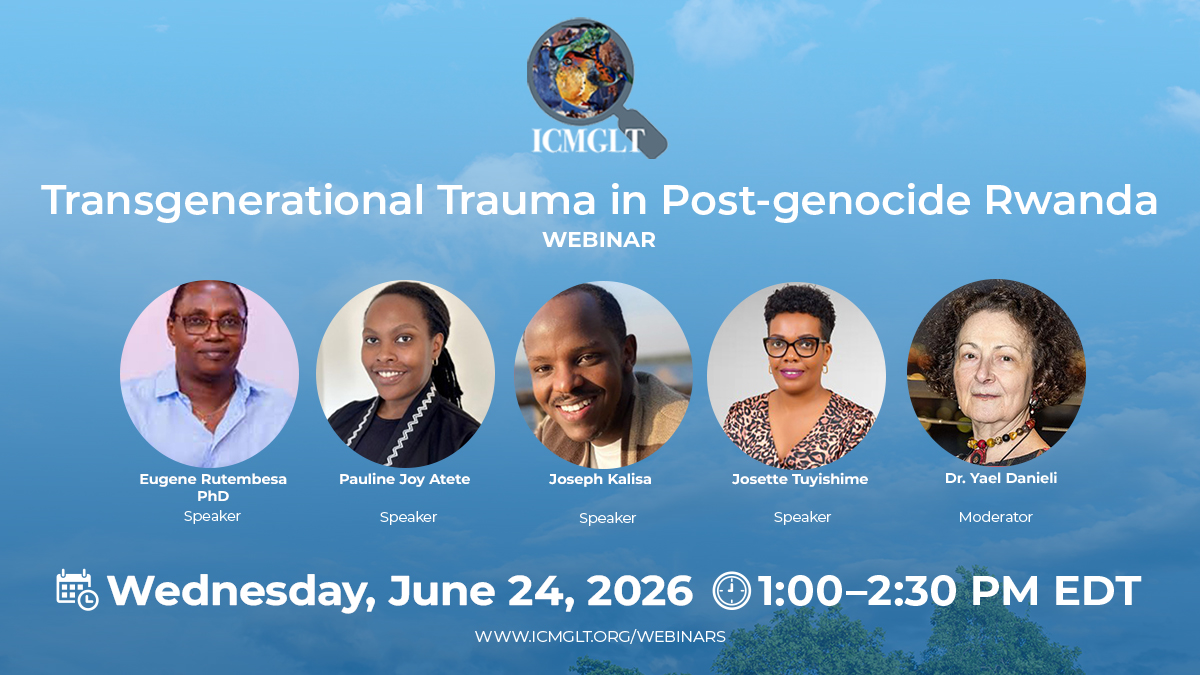
Wednesday, June 24, 2026, 1:00–2:30 PM EDT / 10:00–11:30 AM PDT / 11:00 AM–12:30 PM MDT / 12:00–1:30 PM CDT / 2:00–3:30 PM ADT / 6:00–7:30 PM BST / 7:00–8:30 PM CAT & CEST / 8:00–9:30 PM EEST / 9:00–10:30 PM GST
This International Center for MultiGenerational Legacies of Trauma webinar is taking place during the 100-day commemoration period for the 1994 genocide of the Tutsi, known as Kwibuka. Experienced Rwandan mental health providers and researchers will share some of the far-reaching impacts of genocidal trauma from their work with individuals, families, and communities in the last 30+ years, including their specialized work with youth, with living with HIV, and the impacts of trauma on neuropsychological functioning.
Speakers:

Eugene Rutembesa, PhD
A Full Professor of Clinical Psychology and Psychopathology and Program Director of Postgraduate Programs at the University of Rwanda, Dr. Rutembesa is a pioneer in mental health interventions. Researching genocide survivors’ trauma, resilience, and epigenetic inheritance of PTSD and an expert of Mental Health and Psychosocial Support (MHPS), he leads crisis responses across six refugee camps. Eugene is a recipient of the 2025 ISTSS Excellence in Trauma Services Award.
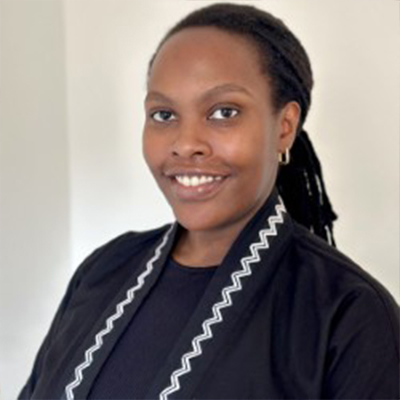
Pauline Joy Atete
A doctoral researcher investigating the intergenerational impact of trauma on neuropsychological functioning in Rwanda, Pauline earned a master’s degree in clinical psychology from the University of Warsaw (2023), focusing on post-genocide youth identity and reconciliation in Rwanda. Her current research explores how trauma experienced by one generation may influence cognitive and psychological functioning in subsequent generations.
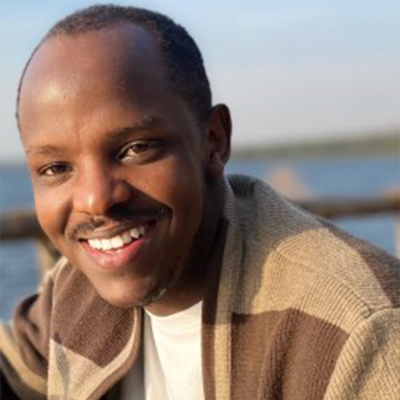
Joseph Kalisa
A Practicing Clinical Psychologist, Co-Director of Geruka Healing Centre, and PhD fellow at Aarhus University, Joseph’s work examines the long-term legacies of the 1994 Genocide against the Tutsi, with particular attention to intergenerational trauma, resilience, and mental wellbeing. Drawing on clinical, community, and public health perspectives, he explores how suffering and healing are shaped across generations and how families, communities, and cultural practices contribute to recovery, connection, and collective resilience.
Josette Tuyishime
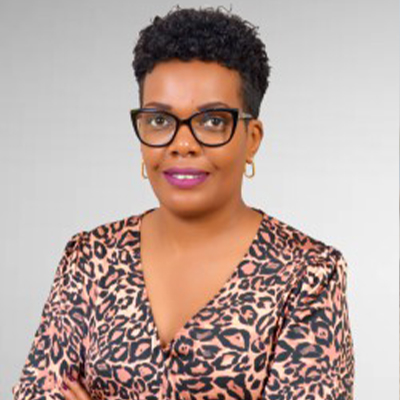
Holding a bachelor’s degree in clinical psychology from the National University of Rwanda and heading the Psychosocial Department at We-ACTx for HOPE, Josette has led programs supporting vulnerable youth through cognitive behavioral therapy (CBT) and yoga. She has also contributed to research on improving ART adherence among Rwandan youth with HIV using CBT and was trained in Narrative Exposure Therapy (NET) to support genocide survivors experiencing PTSD.
Moderator:
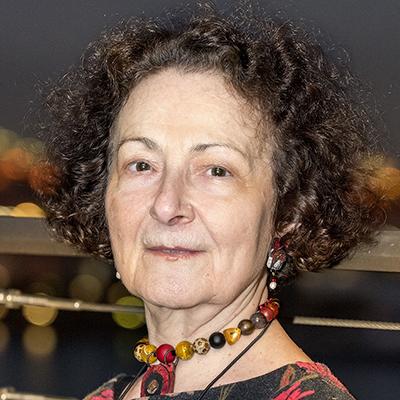
Dr. Yael Danieli
A Clinical psychologist, traumatologist, victimologist and psychohistorian, Dr. Danieli is Founder, Executive Director and Senior Representative to the United Nations of the International Center for MultiGenerational Legacies of Trauma (ICMGLT); Director, Group Project for Holocaust Survivors and their Children and Past-President, International Society for Traumatic Stress Studies.