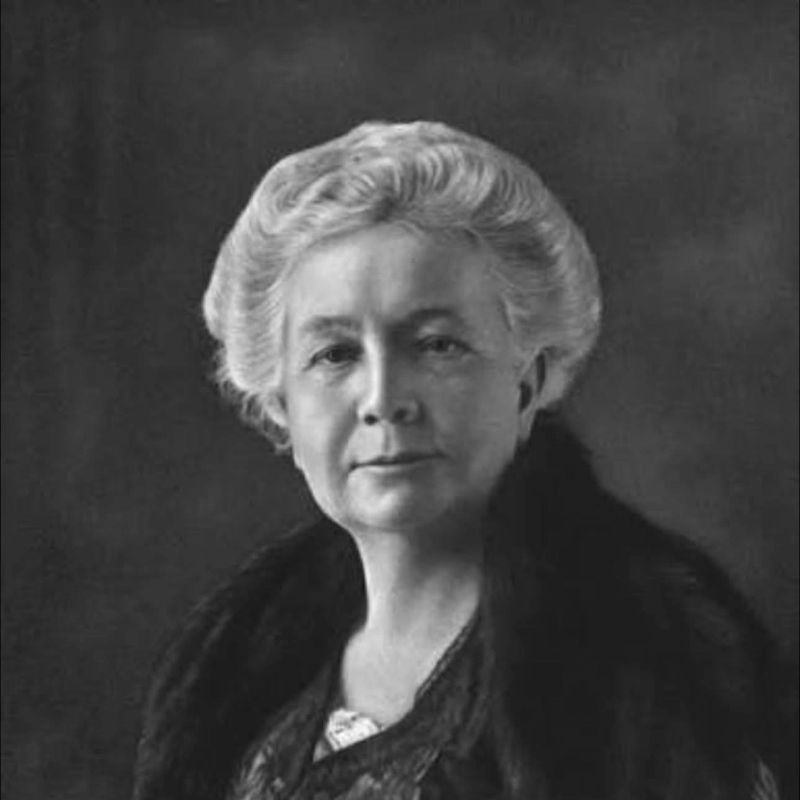
Society whispered, “Sell the business. Go home. Mourn quietly.” But Anna looked at the company her husband left behind and made a decision no woman of her time had dared to make — she would lead.
https://lnkd.in/d3RX9Cyv
Born Anna Sutherland in 1846 Nova Scotia, she was teaching by sixteen, managing classrooms before most women her age had even been allowed to dream beyond marriage. Ambitious and unafraid, she married Melville Bissell at nineteen and joined him in running a small crockery shop in Michigan. But fate had other plans. Sawdust from shipping crates clung stubbornly to their carpets — until Melville, the tinkerer, invented a simple device to sweep it clean. A carpet sweeper. Anna didn’t just see a tool. She saw a revolution waiting to happen.
“Melville created it,” she would later say, “but I knew how to make the world want it.”
She hit the road with her sweepers, traveling alone, knocking on doors, turning skeptics into believers. She sold not with charm, but with conviction — convincing store owners and homemakers alike that their lives could be cleaner, easier, better. When department store magnate John Wanamaker agreed to stock Bissell sweepers, it was Anna who made the deal happen.
Then came disaster — the factory burned to the ground in 1884. Melville was ready to quit. Anna wasn’t. She walked into banks, secured loans on nothing but her word, and rebuilt in three weeks. “Failure,” she told her children, “is only final when you stop trying.”
When Melville died five years later, Anna faced an impossible crossroad. She had five children to raise, one already lost to illness, and a company on the brink. No woman had ever led a major American manufacturer. “I do not intend,” she said, “to sit in the corner and sew.”
What followed was nothing short of revolutionary. Anna protected patents fiercely, branded Bissell with sophistication, and took it global. By 1899, her carpet sweepers were used in homes across Europe. Queen Victoria herself insisted Buckingham Palace be “Bisselled” weekly.
But her genius wasn’t just in growth — it was in grace. At a time when factories were sweatshops, Anna implemented pensions, injury compensation, and paid vacations. When the 1893 depression hit, she refused to fire a single worker. “We are a family,” she told them. “And families don’t abandon each other.” Her employees adored her; the company never saw a strike in its entire history.
Beyond business, Anna built homes for orphans, founded the Bissell House for immigrant women, and became the first female trustee of the Methodist Episcopal Church. “Her joy,” her son said, “was in finding others a place to belong.”
By the time she died in 1934, Anna Bissell had turned grief into greatness. She had built an empire, raised a family, and redefined what leadership looked like.
She didn’t just keep her husband’s dream alive — she made it immortal.